
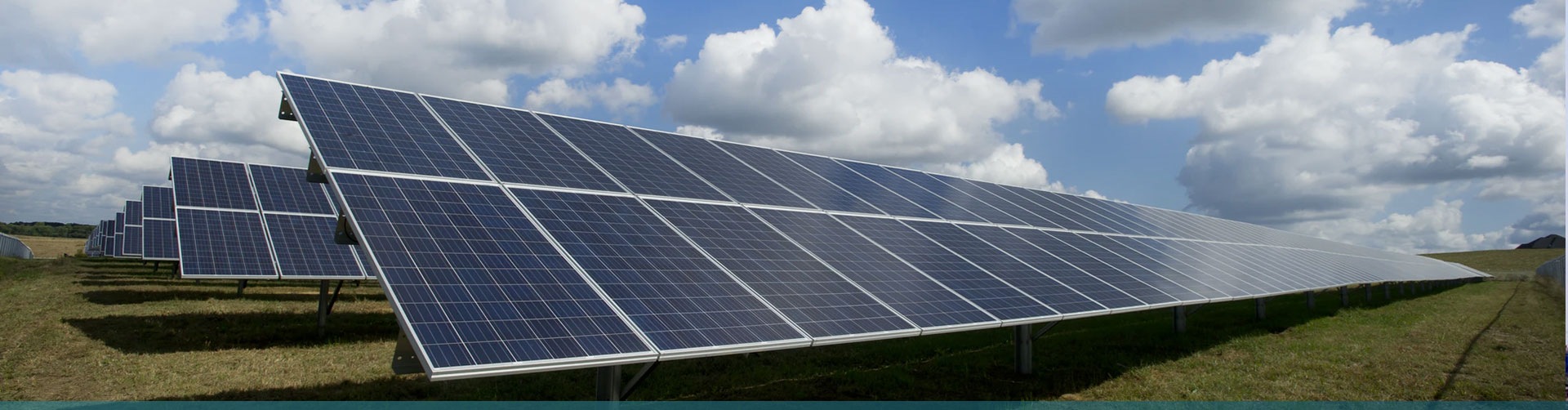
Two of the world’s leading development finance institutions, the World Bank and the African Development Bank, jointly announced a landmark cooperation plan today: the “Africa Solar Acceleration Plan.” This plan commits to mobilizing up to $50 billion in public and private capital over the next five years.With unprecedented scale and determination, it aims to address the long-standing issue of energy poverty in Sub-Saharan Africa and accelerate the region’s green energy transition.
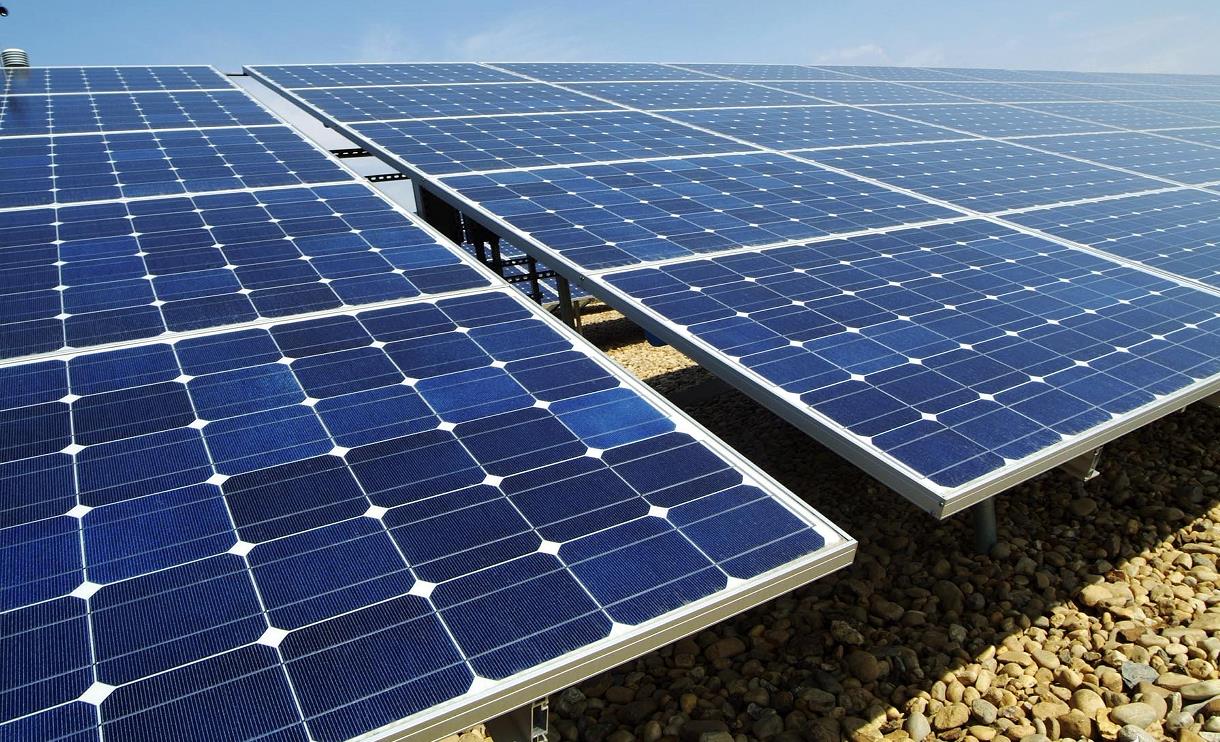
The core objectives of this plan are clear and ambitious: through the large-scale deployment of decentralized and centralized solar power generation solutions, provide reliable, affordable, and clean electricity within five years to an estimated 100 million Africans currently living without electricity or with severely unreliable power.
World Bank President Ajay Banga emphasized at the joint press conference: “Energy is the cornerstone of modern life and economic development, yet in Africa, over 600 million people are excluded from this cornerstone.The ‘Africa Solar Acceleration Plan’ is not just about technology or funding; it is about equity, opportunity, and human dignity.
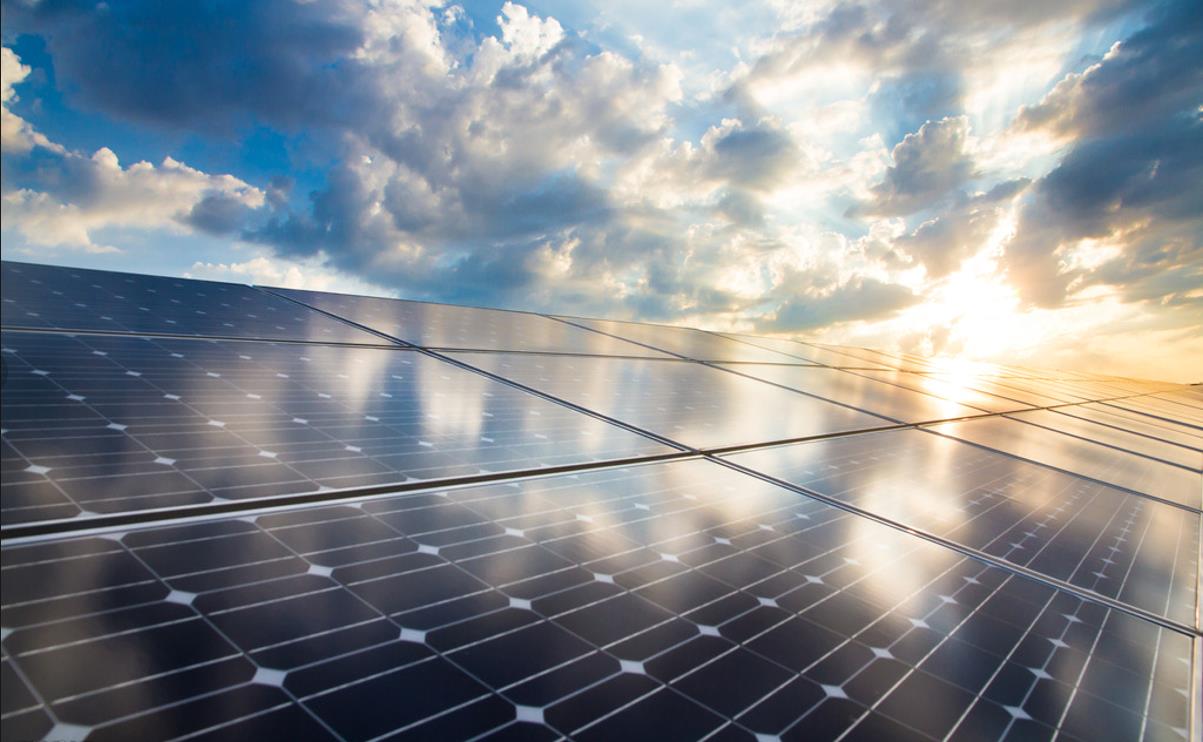
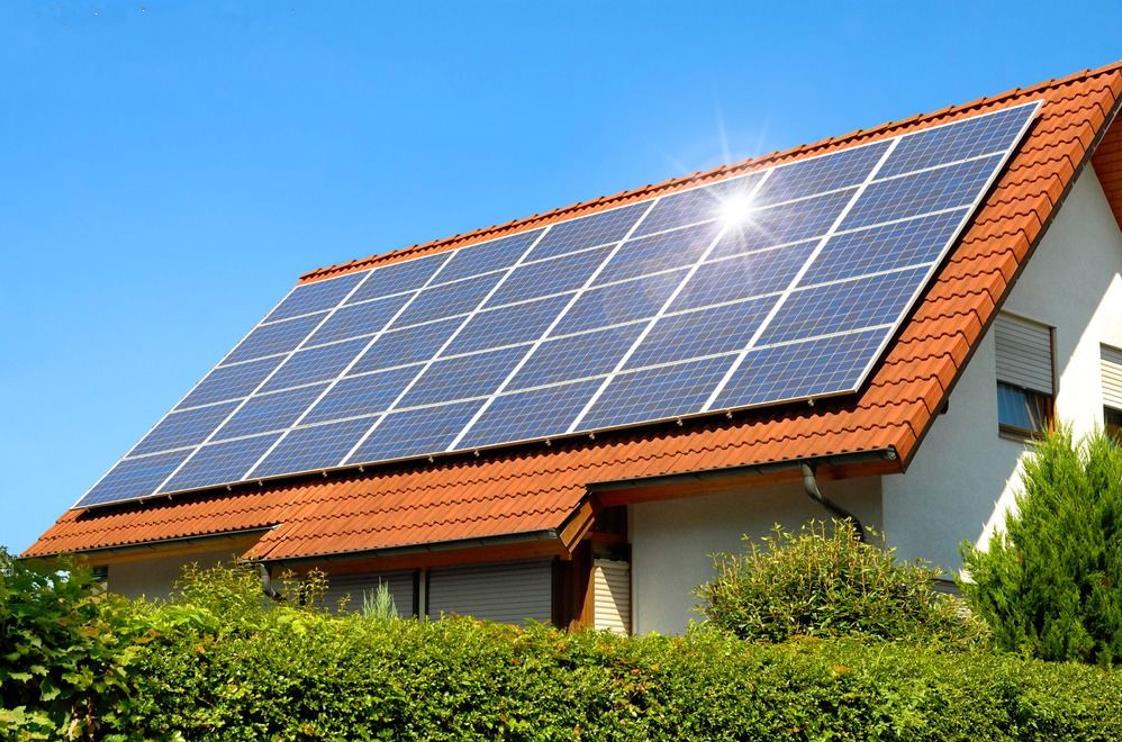
“Solar energy, as Africa’s most abundant and cost-effective indigenous resource, is the best lever we have to drive this historic transformation.”Dr.Akinwumi Adesina, President of the African Development Bank, elaborated on the strategic details of the plan. He pointed out that funds will systematically flow into three key areas: first,supporting distributed rooftop photovoltaic systems for households and community facilities like schools and clinics; second, investing in community-level smart mini-grids with energy storage capabilities in remote villages and towns difficult for the grid to cover; third, developing appropriately sized grid-connected solar power stations to support regional industrial corridors and critical infrastructure. “Our vision is to build a multi-layered, resilient solar ecosystem,” Dr. Adesina stated. “We aim not only to ‘provide electricity’ but also to nurture local industries. The plan will include mandatory local procurement and skills training clauses, ensuring Africa’s youth and entrepreneurs can deeply participate and seize the employment and entrepreneurial opportunities brought by this green revolution, from installation and operation & maintenance to manufacturing.”
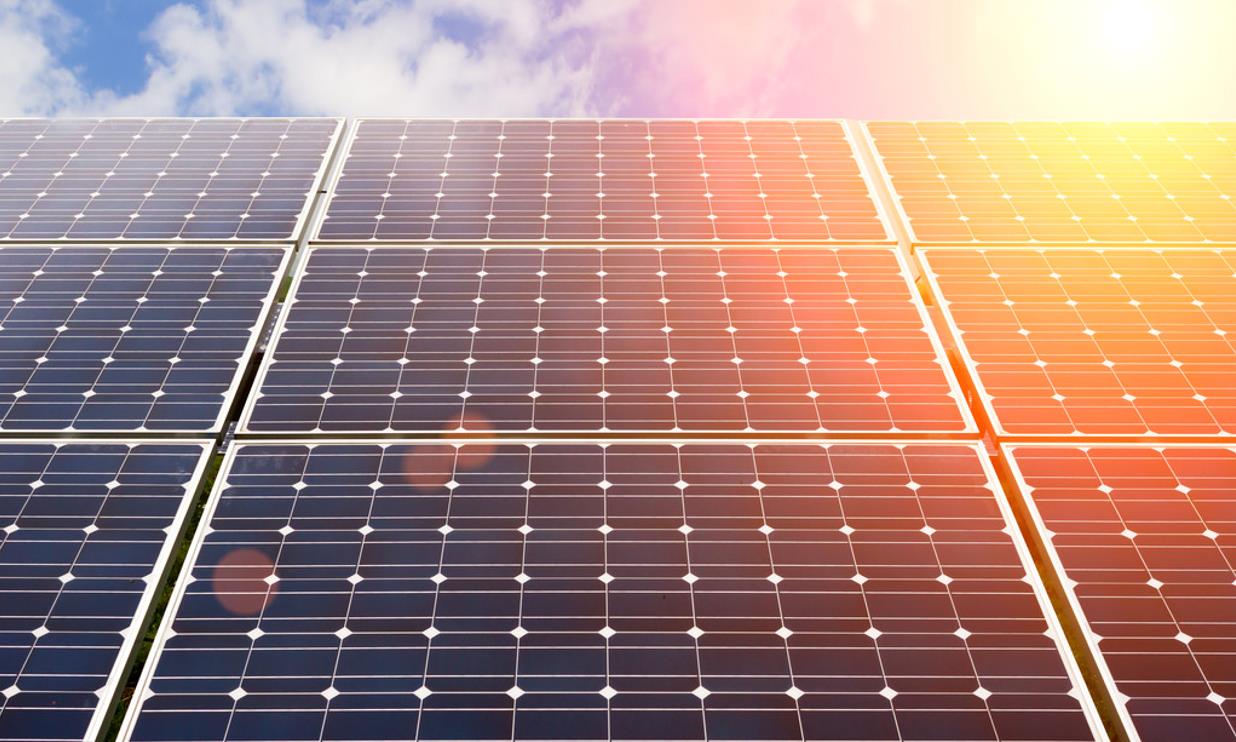
Industry experts widely believe this plan accurately addresses the core of Africa’s energy predicament. Sub-Saharan Africa possesses the world’s most solar irradiation resources, with a theoretical annual power generation potential exceeding 10 trillion kilowatt-hours,far surpassing any other continent globally. However, its current total installed photovoltaic capacity is less than 2% of the global total. This vast gap between resource potential and development reality is both a reflection of lagging development and holds immense potential for green growth.Francesco La Camera,Director-General of the International Renewable Energy Agency, commented: “This plan is a game-changer. It shows the international community finally recognizes that investing in Africa’s solar energy is not just charity, but wise global climate action and one of the most forward-looking economic investments.”
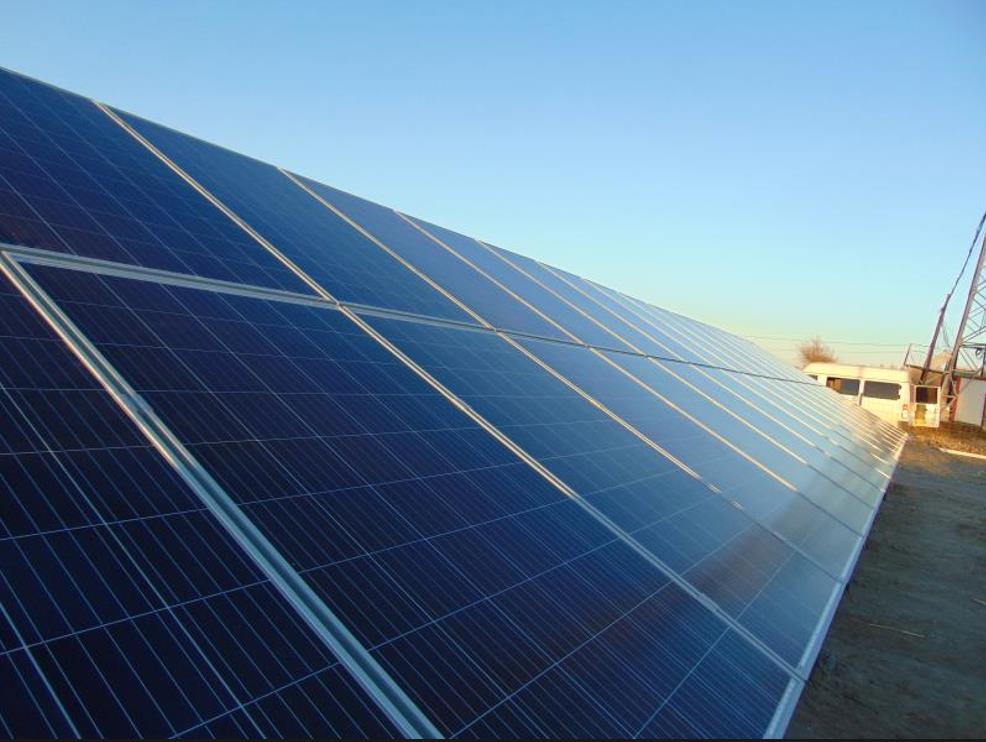
Beyond direct socio-economic benefits, the plan is also seen as a key driver for the African continent to address climate change and fulfill its Nationally Determined Contributions.By large- scale replacement of diesel generators and traditional biomass fuels, the plan is expected to reduce tens of millions of tons of carbon dioxide emissions annually upon full implementation,significantly improve indoor air pollution, and enhance communities’ resilience to extreme weather events caused by climate change.
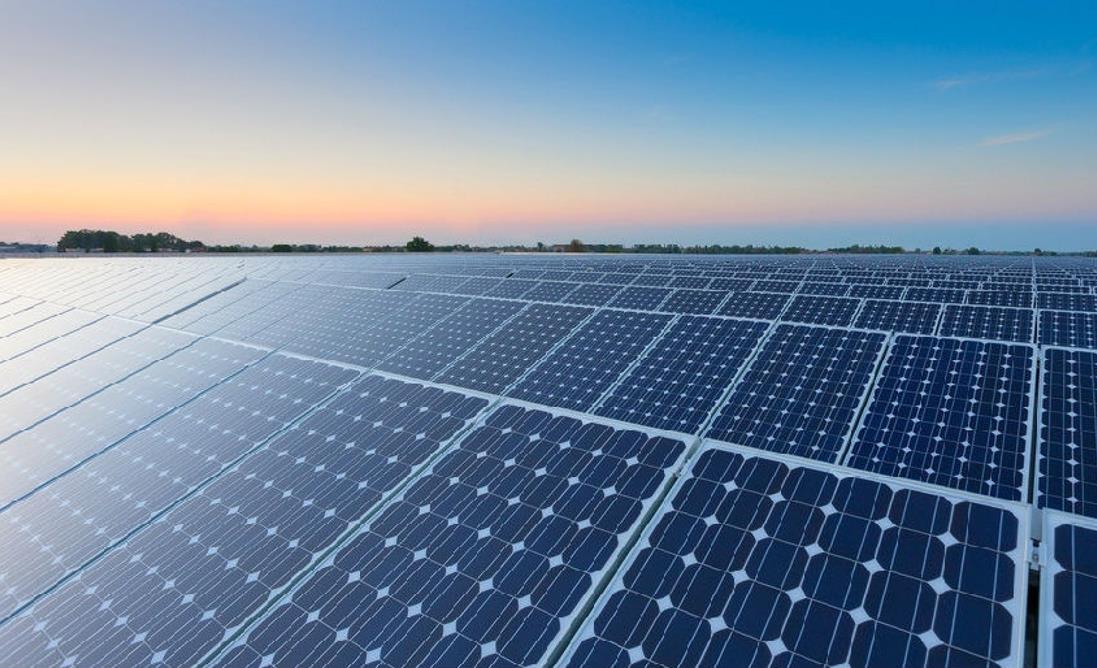
It is reported that the first batch of pilot projects under this initiative has entered the screening phase, with initial deployment expected in several interested countries including Senegal, Kenya, and Malawi by the second quarter of 2025. The World Bank and the African Development Bank will establish a joint secretariat responsible for coordinating funds, monitoring project progress, and ensuring strict adherence to environmental and social safeguard standards.
The launch of the “Africa Solar Acceleration Plan” marks a new, more action-oriented phase of international support for Africa’s energy transition. It promises not only to light up millions of households but also to ignite the engine of sustainable development for the entire continent, providing the most fundamental source of power for Africa’s rise by the middle of the 21st century. As outlined by the “Africa Solar Acceleration Plan,” transforming Africa’s abundant solar resources into inclusive, sustainable electricity requires not only top-level design and international capital but also the on the ground with mature technology, reliable products, and localized implementation capabilities. The tailwind of policy and the vast market potential are calling for exceptional enterprises that can turn the blueprint into reality.
Among them, Multifit is precisely such a pioneer and enabler playing a critical role in Africa’s energy transition wave. Next, let’s turn our focus to this company to gain a deeper understanding of Multifit.
Multifit is a national high-tech enterprise dedicated to the research, development,production, sales of green energy such as solar power generation, as well as PV power station construction, cleaning, and operation & maintenance services. Its headquarters are located in Beijing, its production base is in the National High-Tech Industrial Development Zone in Shantou, Guangdong Province, and it has a branch in Shenzhen.
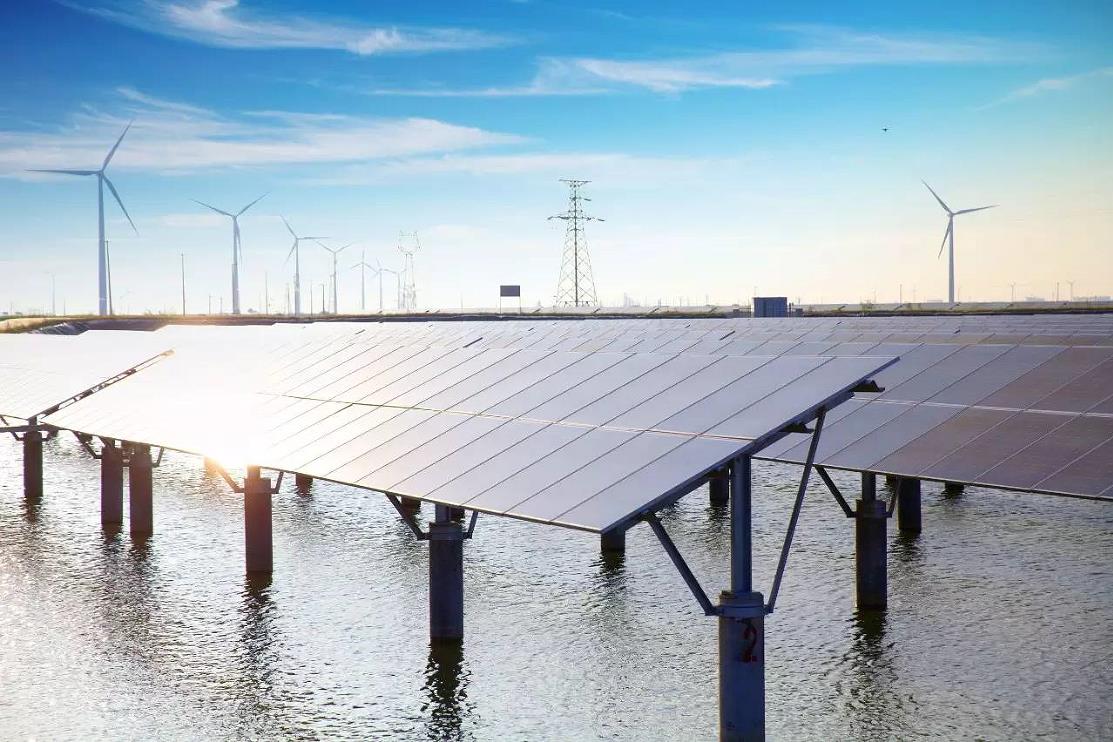
The company specializes in the technology development, production, sales, and system integration of solar cleaning robots and supporting equipment, photovoltaic inverter power supplies, portable solar power banks, MPPT solar charge controllers, solar LED street lighting systems; and the design, development, investment, construction of solar power generation system projects and electrical automation projects, as well as the cleaning and operation & maintenance of photovoltaic power stations.
Post time: Dec-12-2025