
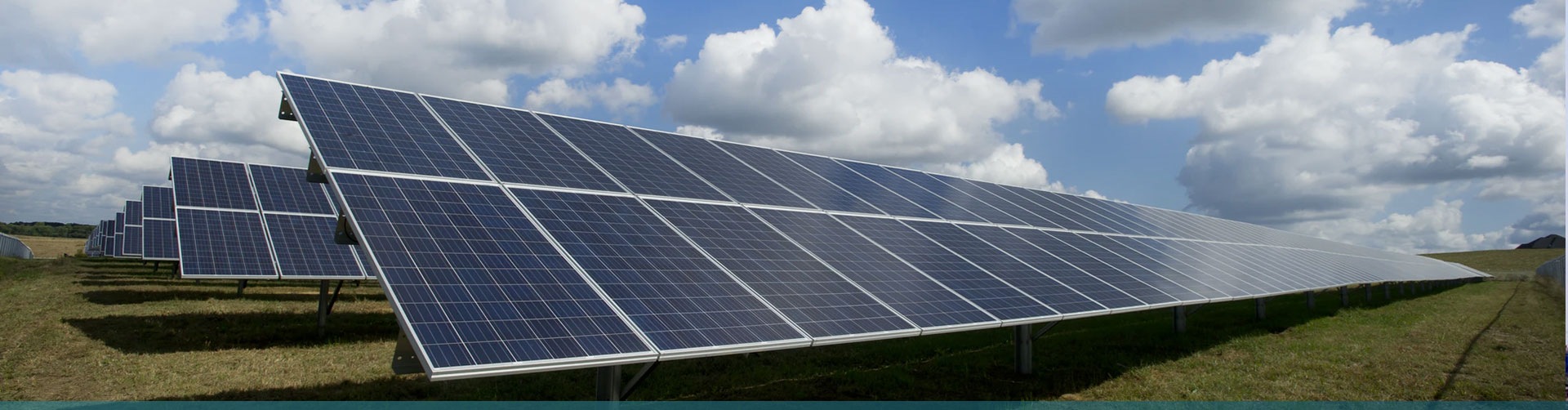
With the continuous increase in global photovoltaic installation capacity and the deepening of maintenance awareness, solar panel cleaning robots are shifting from “optional equipment” to a “standard configuration” for large-scale power stations. Based on the latest market data and technological advancements from 2025 to 2026, this industry will accelerate its evolution along four main lines: intelligence, waterless operation, autonomy, and low cost.
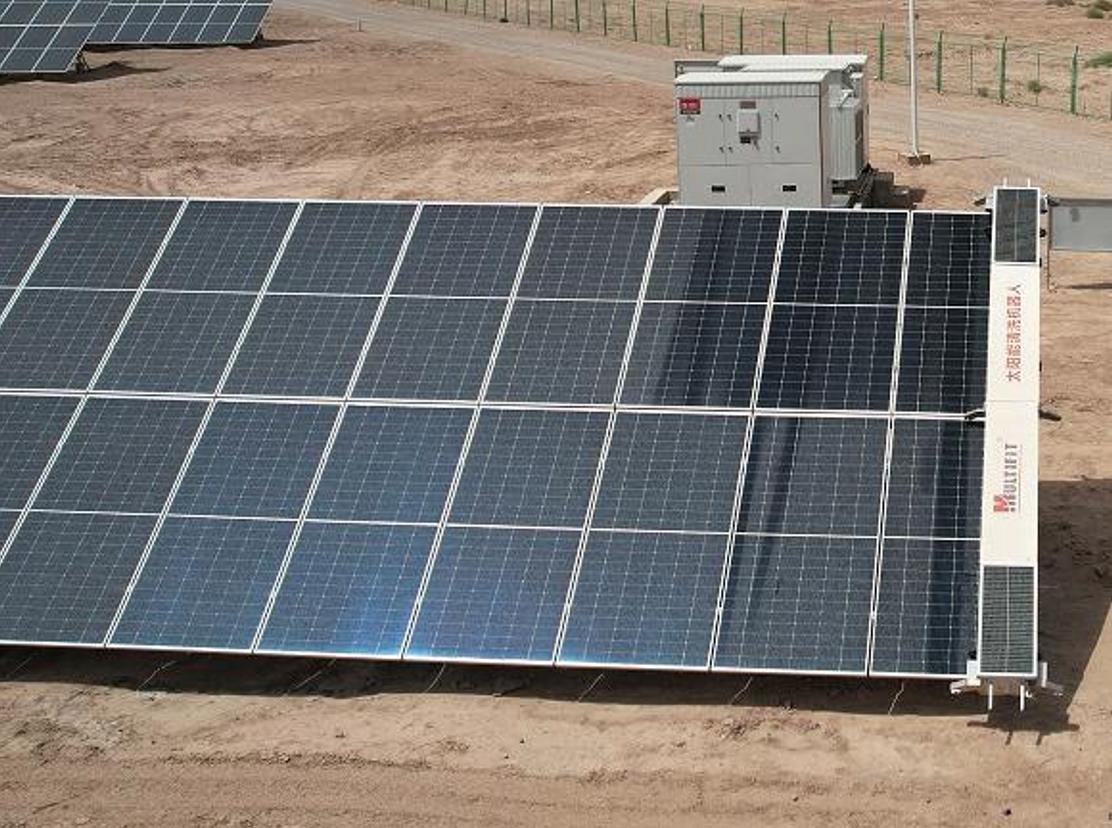
1.Intelligent upgrade: Integration of AI and Internet of Things technologies
The future solar panel cleaning robots will deeply integrate artificial intelligence (AI) and internet of things (IoT) technologies to achieve higher-level autonomous decision-making and precise operations. By equipping with high-precision sensors and cameras, the robots can detect the types and distribution of dirt on the solar panel surfaces in real time. Using AI algorithms, they can analyze and determine the best cleaning strategies to achieve the best cleaning effect with minimal water consumption. At the same time, the robots can connect to the cloud data center to upload cleaning data and system status in real time, enabling remote monitoring and preventive maintenance, which significantly improves operation efficiency and response speed.
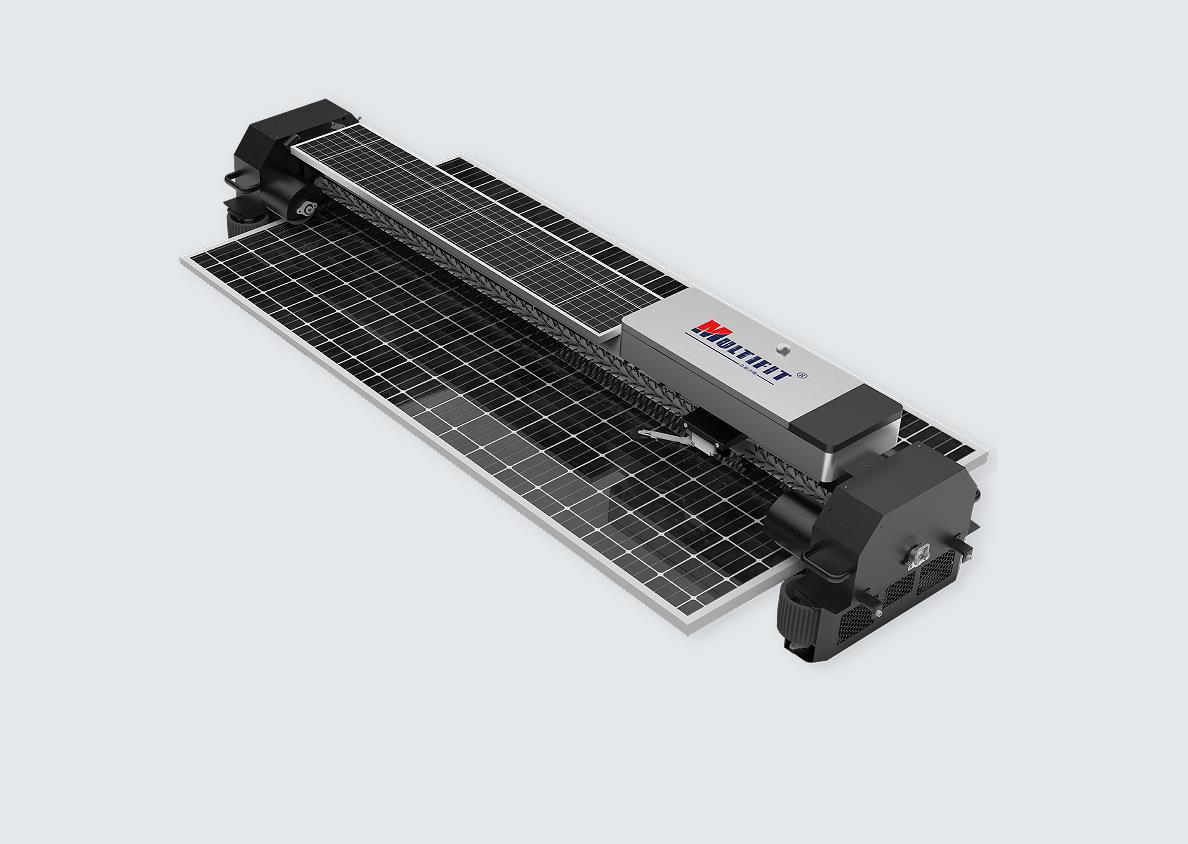
2. Dry/waterless cleaning becomes the mainstream
The Middle East and Africa region (particularly countries like Saudi Arabia, the United Arab Emirates, and Egypt in the desert areas) is currently the core market with the most urgent demand for dry cleaning robots for solar panels. This region faces extreme drought, extremely scarce water resources, and frequent sandstorms. Dust accumulation can lead to a 33% loss in power generation efficiency within six weeks. Moreover, in the Asia-Pacific region, India (especially in areas with frequent sandstorms such as Rajasthan) and the southwestern United States (desert areas such as Arizona, Nevada, and Southern California) also suffer from water shortages. This has driven the adoption of waterless, automated dry cleaning robots as a necessary requirement to ensure the power generation efficiency of photovoltaic power stations.
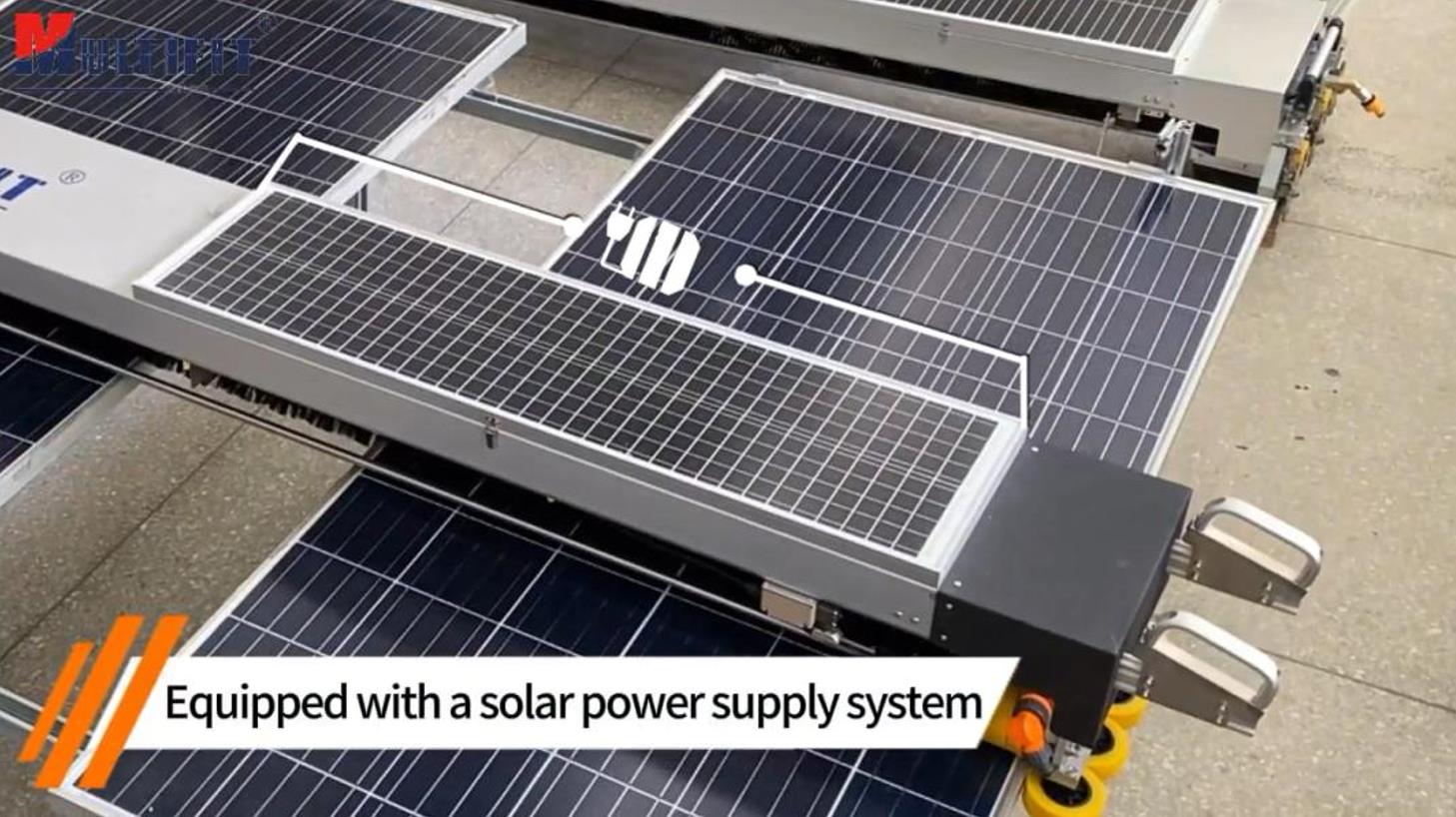
3. Self-powered and Energy Independence
Many suspended robots have a solar panel installed on their surface to provide power for the robot. The robot can be self-sufficient. For example, the suspended robot of Beijing Multifit Electrical Technology Co., Ltd. is equipped with a self-charging system. In sunny areas, it only takes 2-3 days to fully charge the lithium battery. The robot also has built-in lithium batteries of 15ah and 25ah, which can be used for 4-6 hours at a time.
4. Low maintenance cost in the later stage
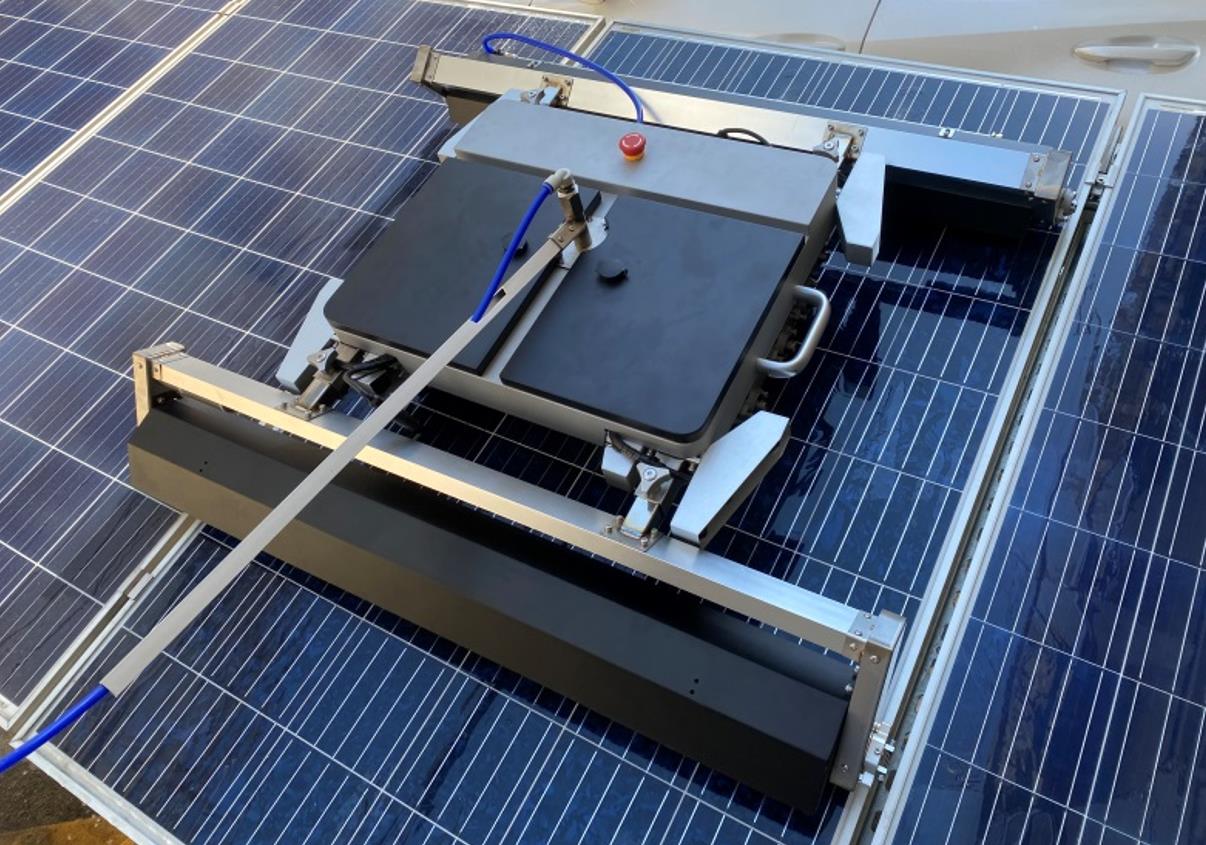
The maintenance of robots is a topic that customers are very concerned about. As a manufacturer, our robot maintenance costs are very low. The wear and tear of the bristles is one of the main maintenance costs. The lifespan of the brush can reach 2-3 years, which is determined by the on-site conditions and cleaning frequency. The lifespan of other components is very long.
Post time: Mar-23-2026