
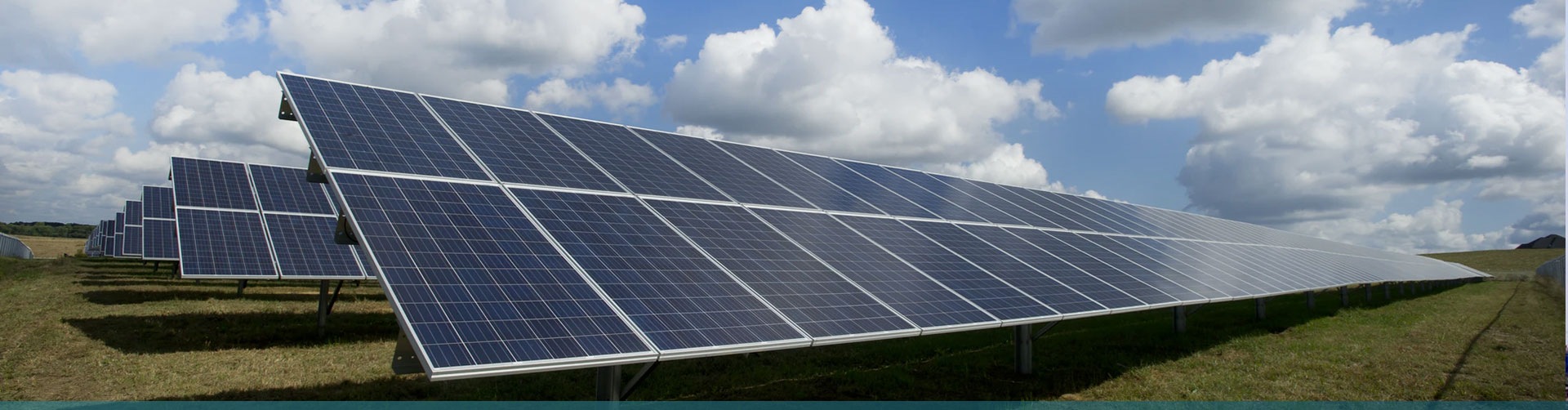
In January 2026, China’s Ministry of Finance and State Taxation Administration jointly issued an announcement deciding that, starting from April 1, all value-added tax (VAT) export rebates for photovoltaic (PV) products will be fully canceled. This marks the official end of the long-standing era of policy dividends enjoyed by China’s PV industry.
01 Policy Adjustment
The core policy adjustment has been clearly defined. From April 1, 2026, VAT export rebates for PV products will be completely abolished. As a supporting measure, the export rebate for solar cells will be reduced from 9% to 6% between April and December 2026, and is planned to be fully eliminated as of January 1, 2027.
From a timeline perspective, this adjustment is a continuation of previous policies. As early as November 2024, China had already reduced the export rebate rate for solar panels, cells, and modules from 13% to 9%.
02 Industry Background
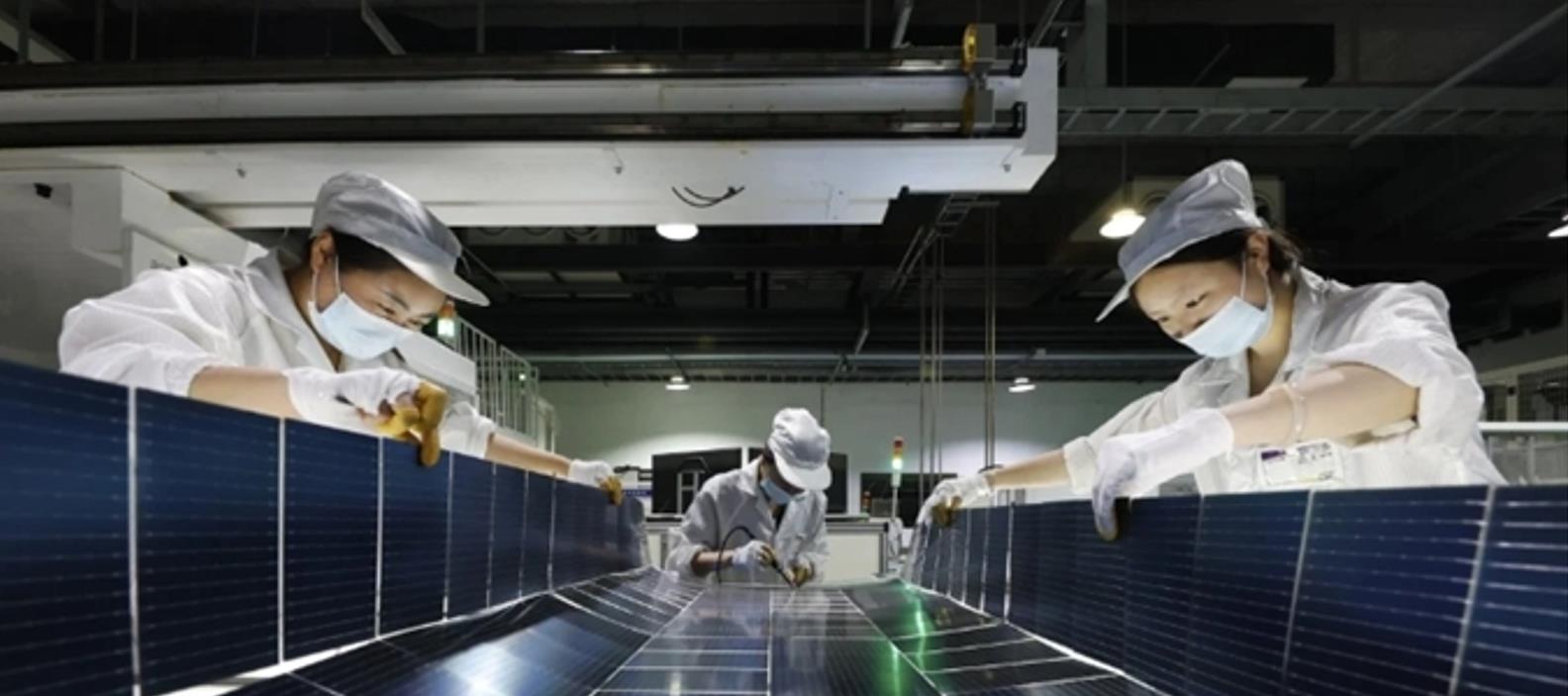
According to data from the International Energy Agency (IEA), China accounts for 78%, 87%, and 97% of global production capacity for PV wafers, cells, and silicon materials, respectively. Of the nearly 2.9 terawatts (TW) of total global installed solar capacity expected worldwide, China accounts for approximately 38%.
What has drawn particular attention is the clear trend of “rising volume but falling prices” in China’s overseas PV markets. The China Photovoltaic Industry Association (CPIA) has pointed out that in recent years, export volumes have increased while product prices have declined, leading to continuously shrinking profit margins for enterprises.
03 Industry Association Response
The China Photovoltaic Industry Association has explicitly expressed its support for this policy adjustment. The association believes that some export-oriented companies have incorporated tax rebates directly into overseas price negotiations, which in effect transfers national fiscal resources to foreign buyers.
The association emphasized that adjusting export tax rebates will help overseas market prices return to more rational levels, effectively reduce trade friction risks faced by Chinese PV products, and at the same time ease pressure on national finances.
04 Strengthened Regulation
Alongside the cancellation of export tax rebates, the PV industry is also facing dual pressure from capacity control and stricter regulation.
The Ministry of Industry and Information Technology (MIIT) has made it clear that 2026 will be a critical year for PV industry governance. Capacity control will be further strengthened, with market-oriented and law-based measures used to promote the orderly exit of outdated capacity.
MIIT will also improve price monitoring mechanisms, focusing on enterprises with abnormal pricing behavior, and will strengthen product quality supervision and spot checks. Companies involved in substandard quality, exaggerated power ratings, or intellectual property infringement will be subject to enhanced monitoring and follow-up enforcement.
05 Market Impact
With the rollback of subsidies, export costs for Chinese PV manufacturers will rise directly. This means companies must either enhance product value-added features or compress profit margins to maintain competitiveness.
From a supply chain perspective, upstream raw material suppliers may face greater pressure in cost transmission, while downstream power plant developers may encounter upward pressure on module prices.
As policy-driven growth shifts toward market-driven competition, leading enterprises with technological advantages and strong brands are expected to further expand their market share, while small and medium-sized enterprises that rely on low-price competition will face severe challenges.
06 The Future of the Industry
In response to policy changes, PV companies must shift from price competition to value competition, placing greater emphasis on technological innovation and brand building. CPIA noted that this policy transition will help guide strategic industries away from price-driven expansion toward innovation-driven growth.
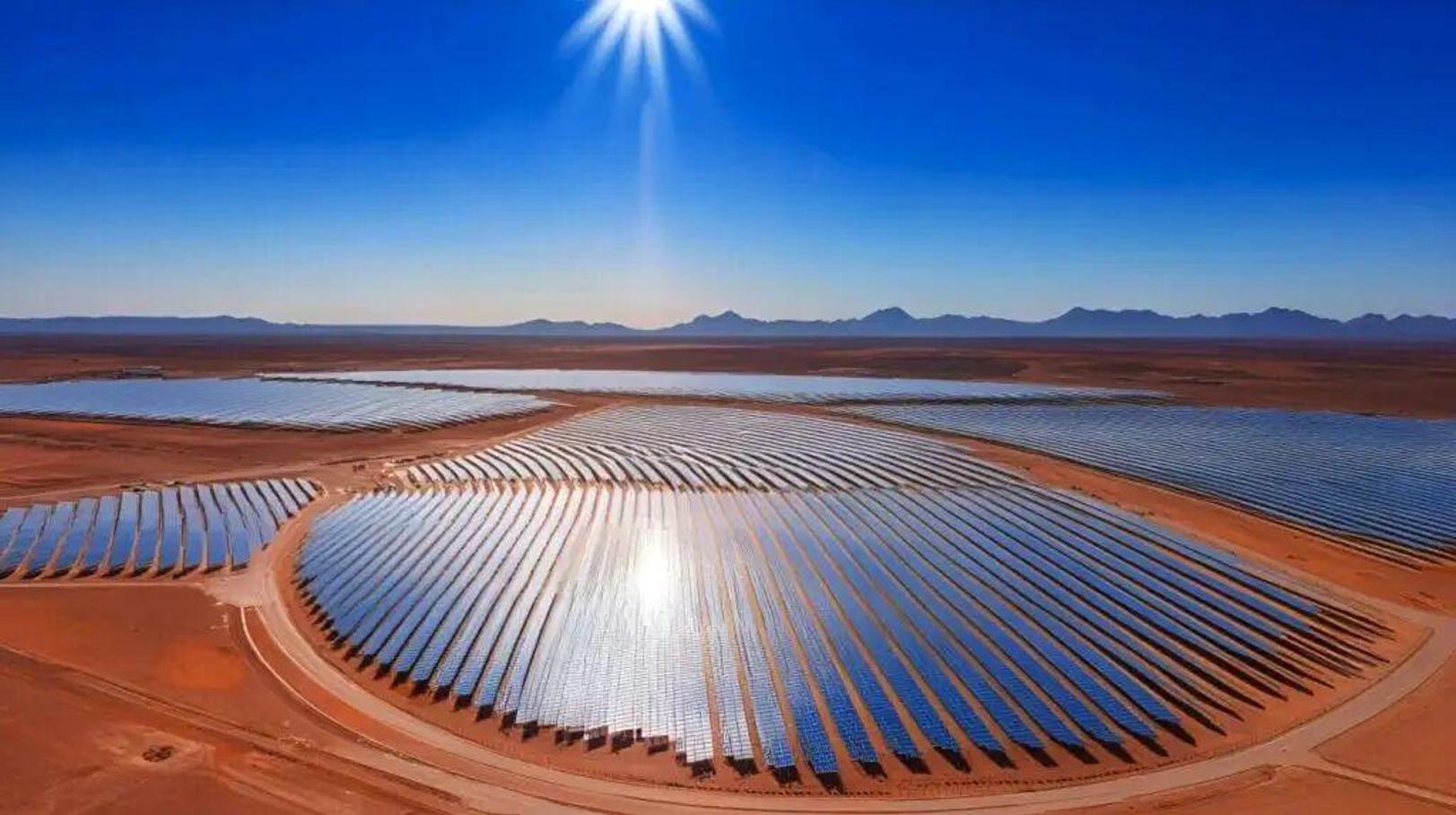
Many companies have already begun to lay out diversified “PV+” business models. Some enterprises expect their energy storage product shipments to double by 2026, while also expanding into emerging fields such as smart grids, BIPV (Building-Integrated Photovoltaics), and perovskite solar cells.
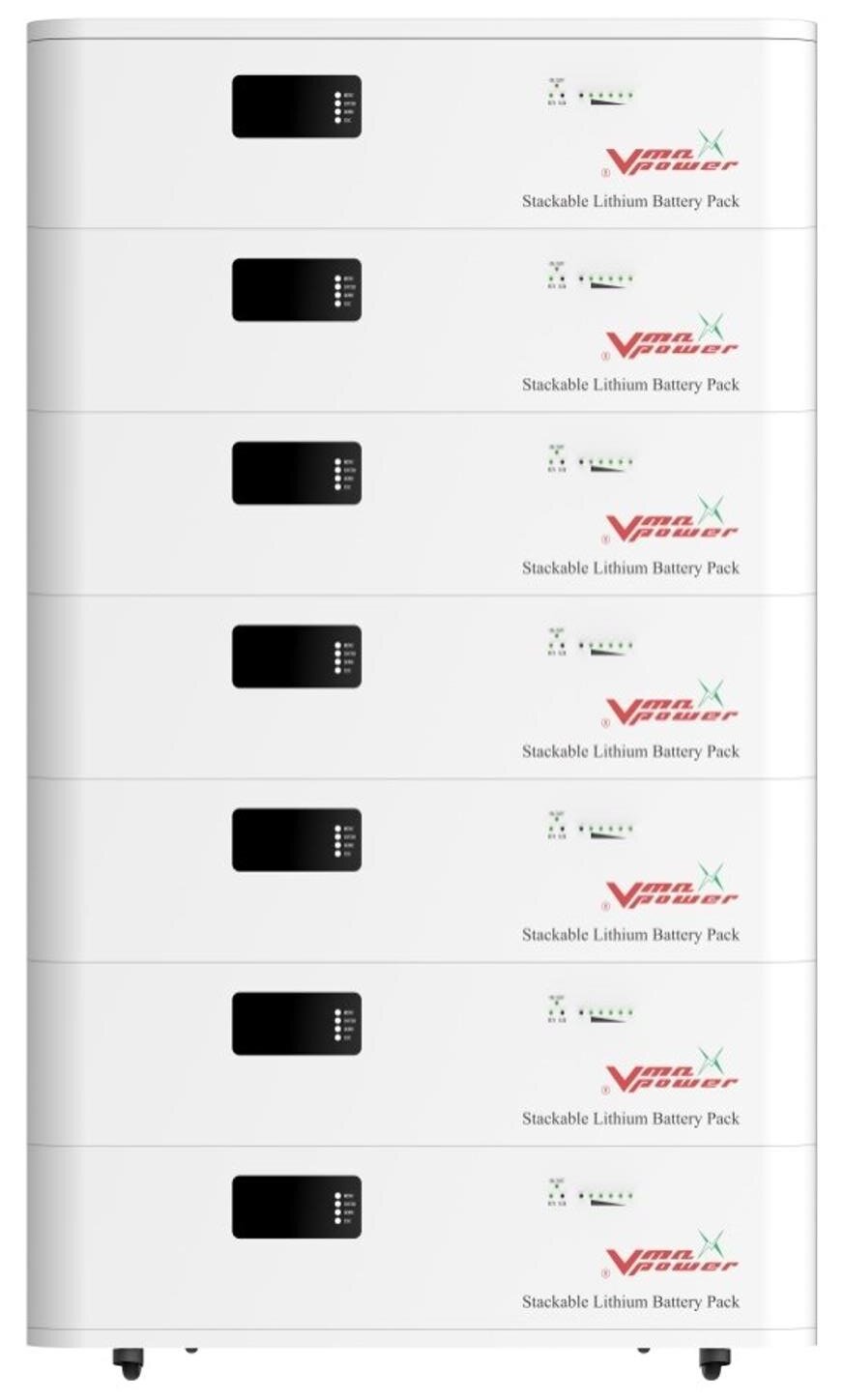
In 2026, China’s PV industry is undergoing a critical transformation—from policy-driven to market-driven development, and from scale expansion to quality improvement. Amid the global energy transition, whether China’s PV industry can maintain its international competitiveness through a combination of technological leadership and cost advantages without subsidy dividends has become the industry’s biggest question.
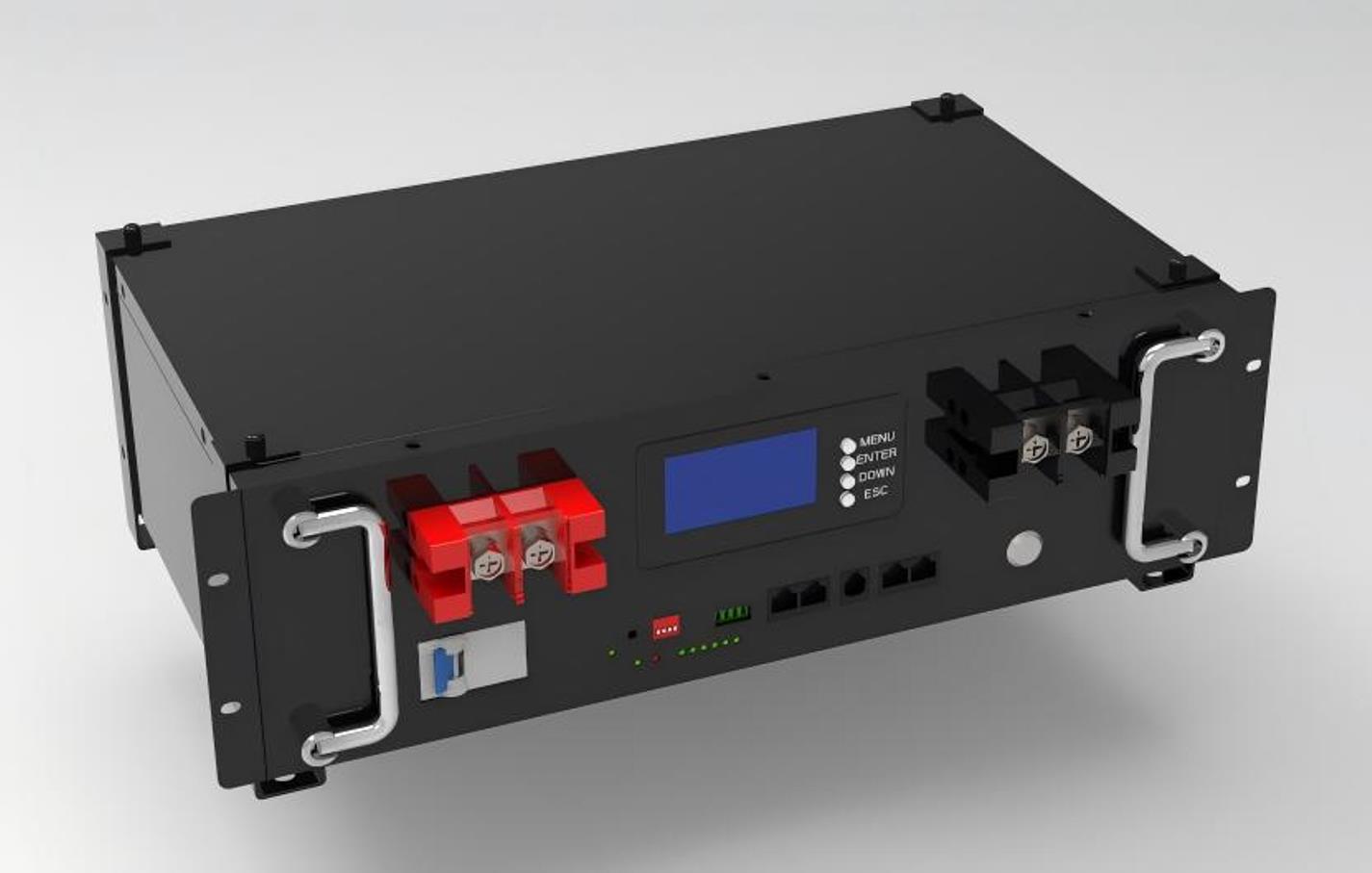
At the R&D center of Multifit Solar at its factory in Shantou, Guangdong, under the bright lights of the testing workshop, engineers repeatedly compare cost reports of PV modules before and after the cancellation of export tax rebates, while discussing how to further optimize the performance of solar panel cleaning robots.
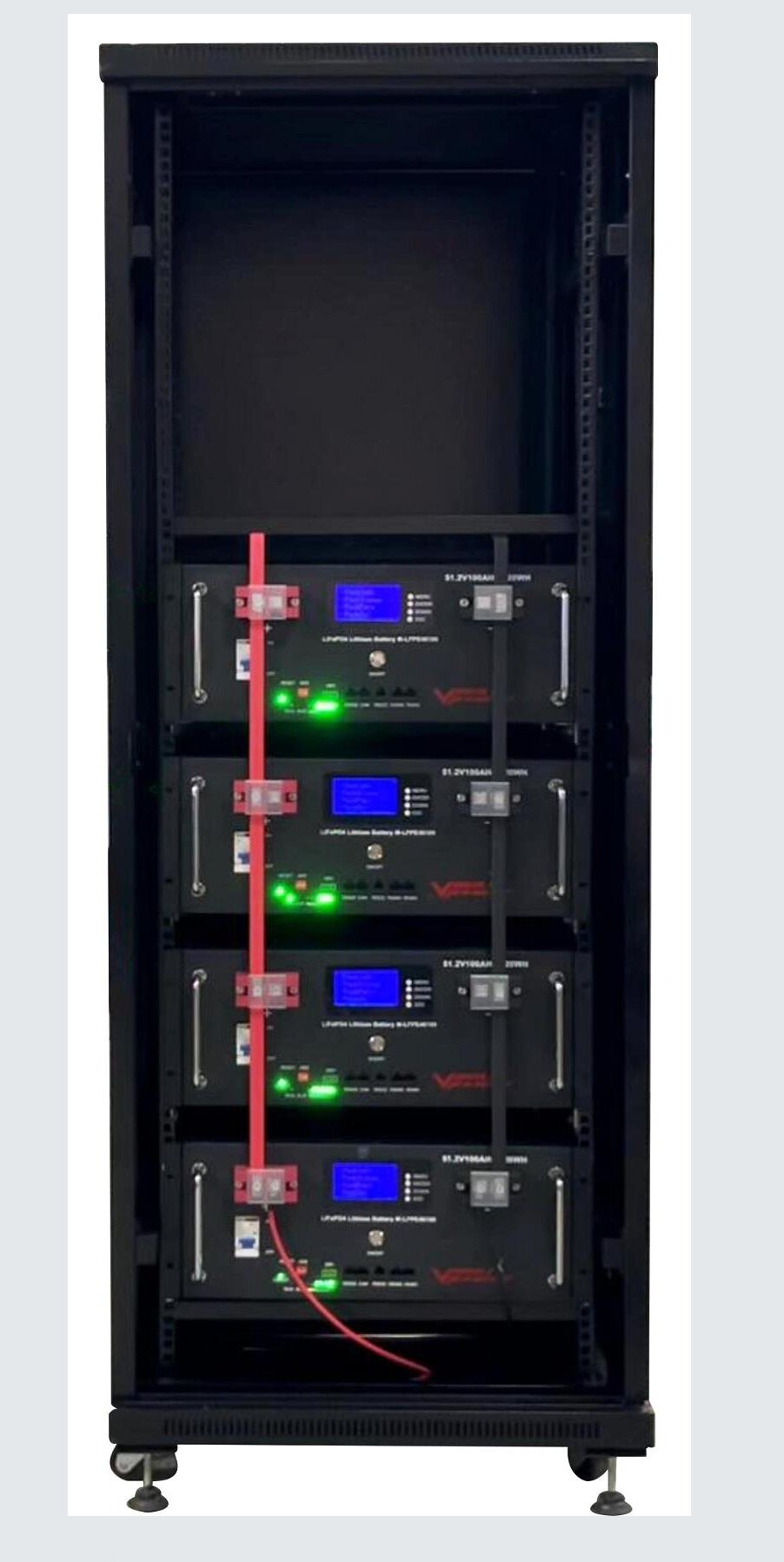
Multifit Solar is a high-tech manufacturing enterprise specializing in the R&D, production, sales, and construction of solar power generation systems and other green energy technologies. Its products have been exported to more than 50 countries and regions worldwide. Multifit Solar will continue to promote innovation and application of PV cleaning equipment, providing global customers with more efficient, smarter, and more reliable PV power plant cleaning solutions, and empowering the high-quality development of green energy.
Post time: Jan-14-2026