
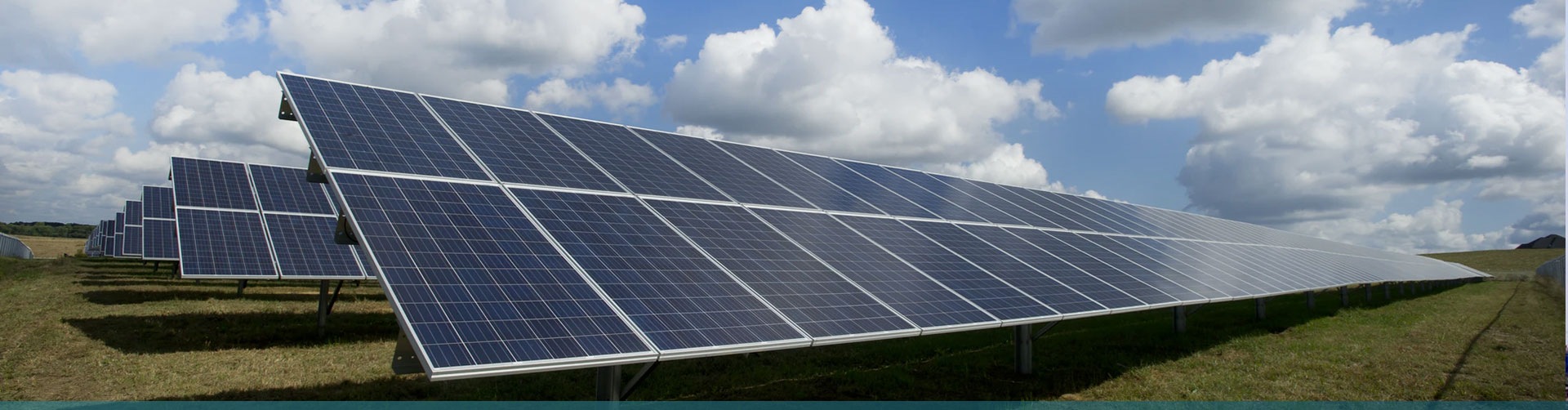
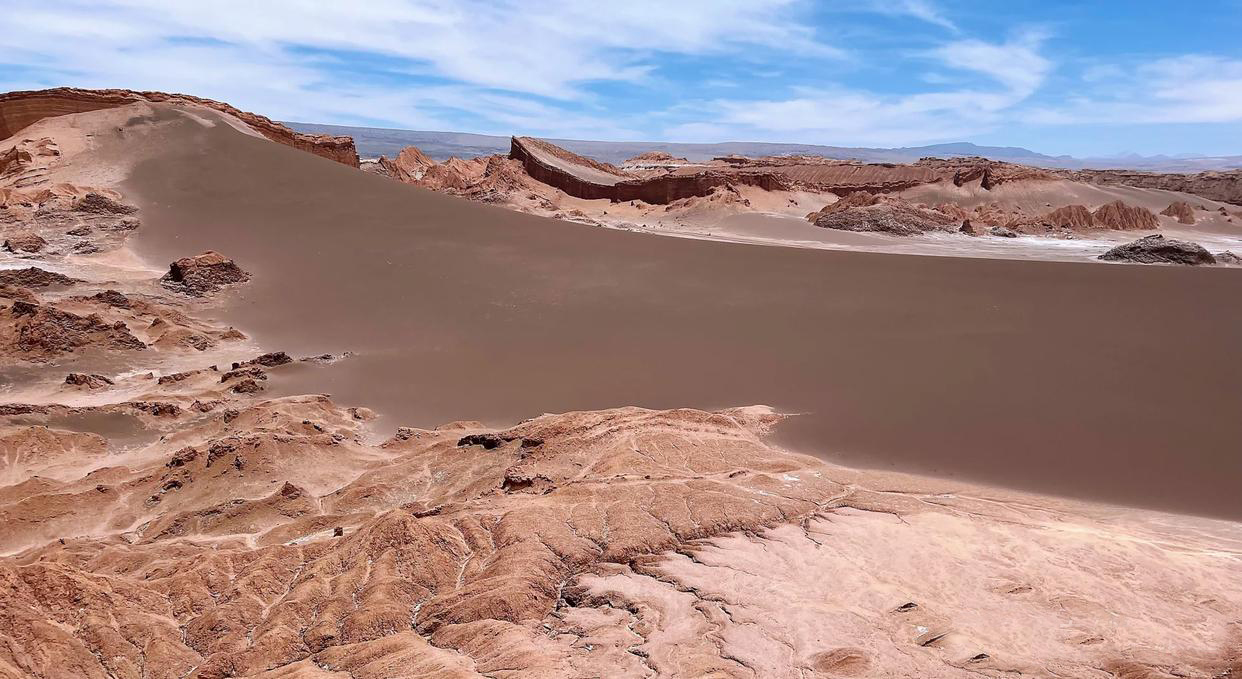
In the global wave of energy transition, solar power plants are increasingly advancing into desert and arid regions rich in sunlight. However, the harsh environments in these areas pose unprecedented cleaning challenges for the ”skin” of photovoltaic (PV) panels—the glass covers. In Chile’s Atacama Desert, one of the driest places on Earth, PV power plants are plagued by a stubborn ”skin condition”: ”cemented” soiling. A recent groundbreaking study published in the journal Solar Energy Materials and Solar Cells has provided a scientific key to solving this dilemma.
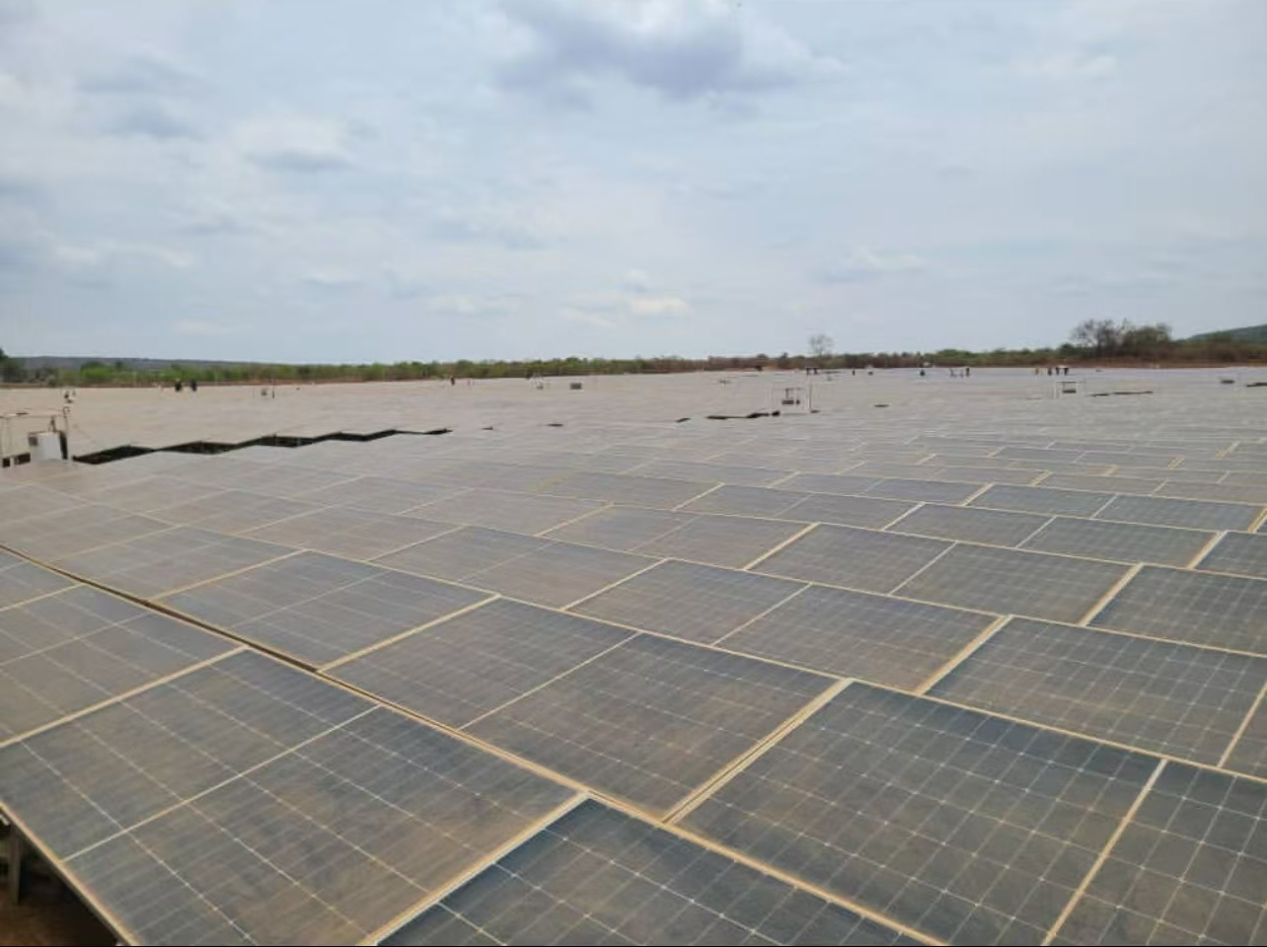
“Cemented” soiling is no ordinary dust accumulation. The research reveals that under the alternating conditions of extreme aridity and exceptionally high nighttime humidity in the Atacama Desert, salts (such as sodium chloride) in the dust dissolve and recrystallize repeatedly. This process firmly cements dust particles together, forming a hard, dense crust on the surface of PV panels. This ”cement-like shell” is not only extremely difficult to remove but, due to its shading effect, can cause the power generation efficiency of PV modules to plummet by over 40%—more than double the loss caused by loose dust accumulation. It has become the number one ”invisible killer” of efficient power plant operation.
Confronted with this persistent issue, the research team moved beyond mere description of the phenomenon to systematically evaluate current mainstream cleaning methods. They found that in the face of ”cemented” contamination, traditional single cleaning approaches often prove inadequate: high-pressure water jets may damage the modules and consume vast amounts of water, while dry brushing risks scratching the glass surface due to excessive friction. Ultimately, experimental comparisons pointed toward a more refined and cost-effective combined strategy: ”pre-wetting for softening + low-pressure cleaning.”
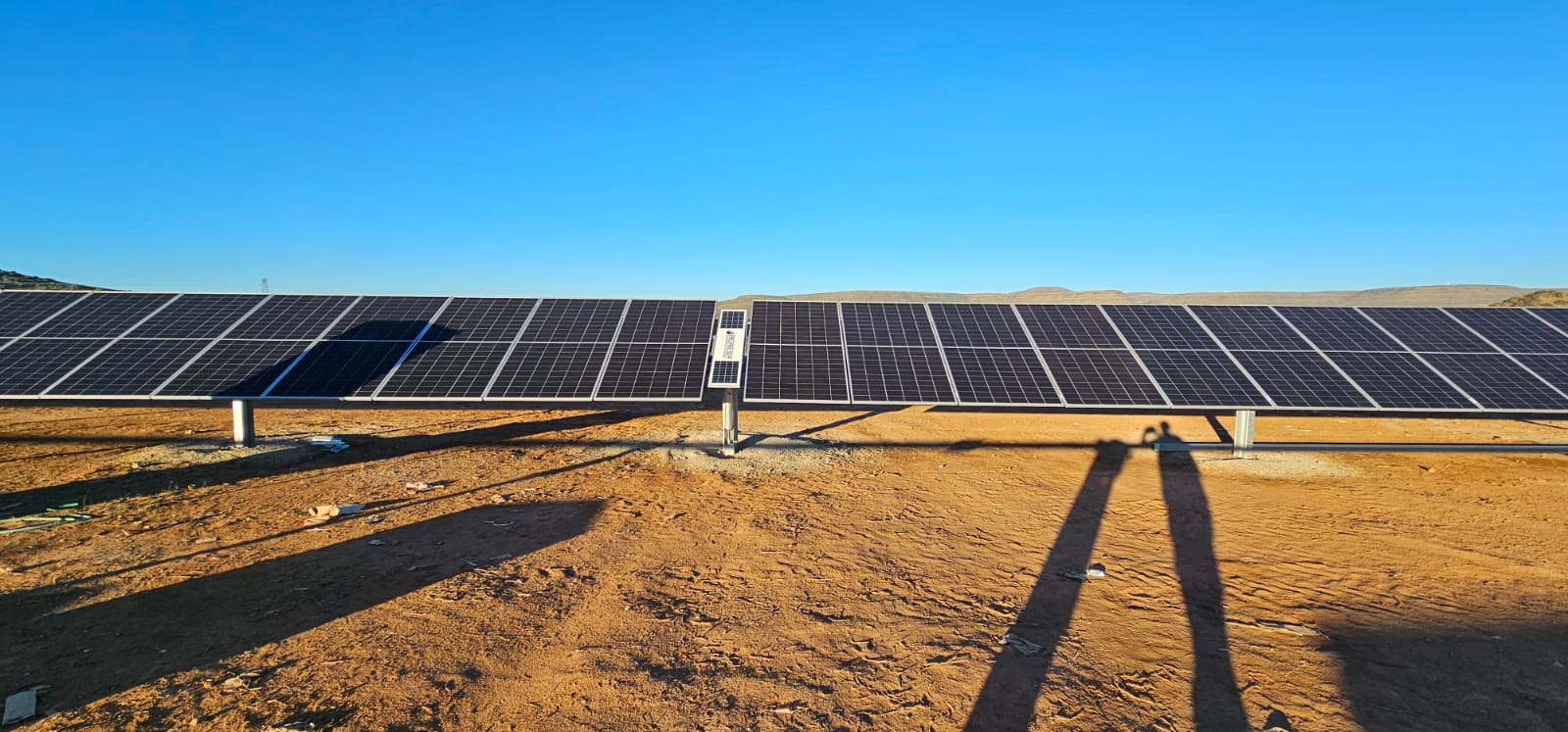
Specifically, this strategy proposes moistening the panel surface with a small amount of water or a specialized softening agent before formal cleaning. This allows the hard crust to fully soften, breaking down its crystalline structure. Subsequently, low-pressure water flow or specialized cleaning robots can be used for cleaning. Data indicates that this ”soft approach first” scientific process, compared to brute-force single-method cleaning, can reduce water usage by 30% while improving cleaning effectiveness by over 50%, significantly lowering the potential risk of damage to the PV panel glass.
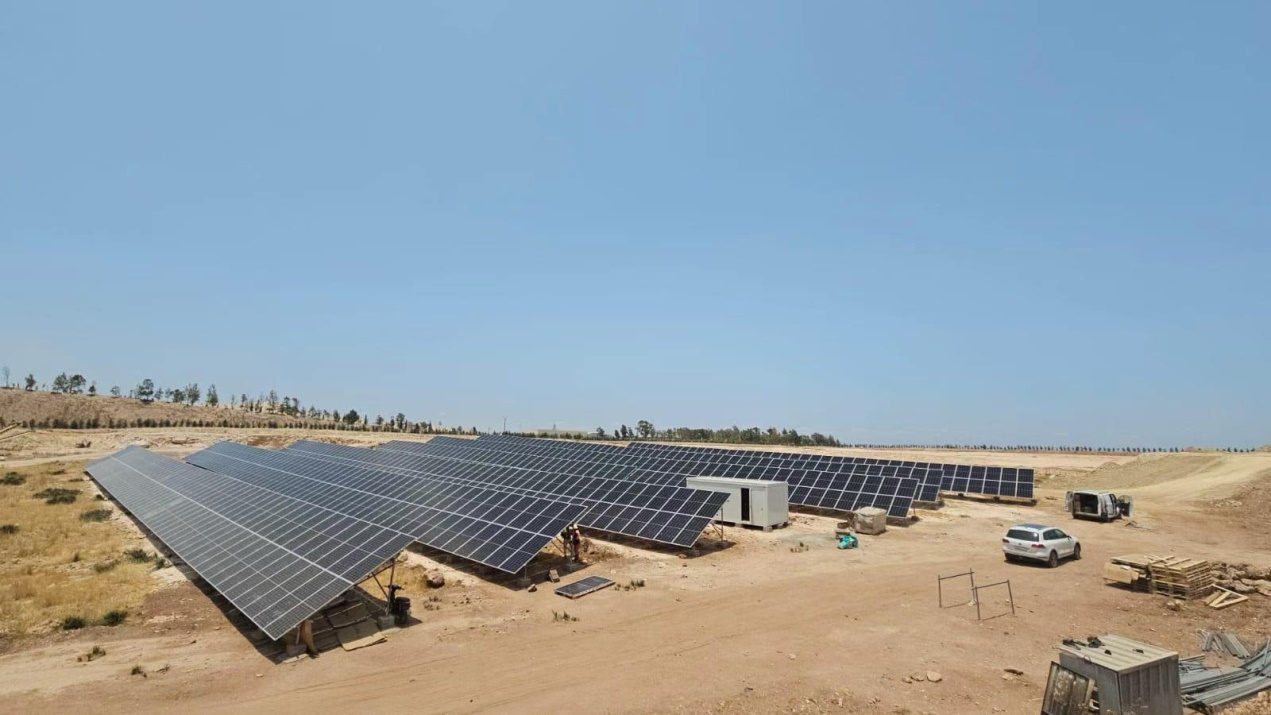
The value of this study extends far beyond providing a ”cleaning prescription” for power plants in the Atacama Desert. It profoundly reveals that as the PV industry expands into increasingly diverse global environments, operation and maintenance strategies must shift from being ”experience-driven” to ”science-driven.” Faced with dust accumulation of varying compositions and formation mechanisms, future cleaning technologies will place greater emphasis on precise diagnosis and customized solutions. From smart sensors monitoring contamination types in real-time to robots automatically matching cleaning modes based on AI algorithms, the issue of ”washing the face” of PV power plants is becoming a cutting-edge discipline that integrates materials science, environmental engineering, and artificial intelligence. This ensures that every ray of sunlight can be efficiently captured and converted into clean electricity.
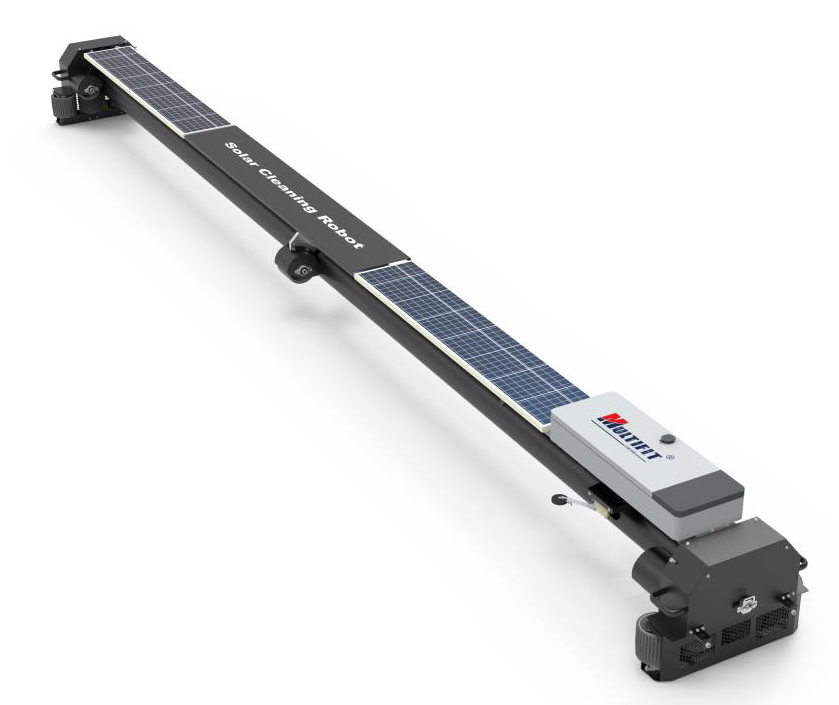
Multifit MR-G3 solar panel cleaning robot
For years, Multifit Solar has been committed to the research, development, and production of PV operation and maintenance cleaning equipment. By assessing the on-site array environments of clients in different countries, Multifit Solar identify their distinct cleaning needs and provide customized cleaning solutions. In the past, Multifit Solar have exported large quantities of cleaning equipment to over 60 countries annually. Today, the R&D team continues to innovate, improving technology and enhancing product practicality to ensure that more clients can easily access and utilize high-tech products.
Post time: Dec-08-2025