
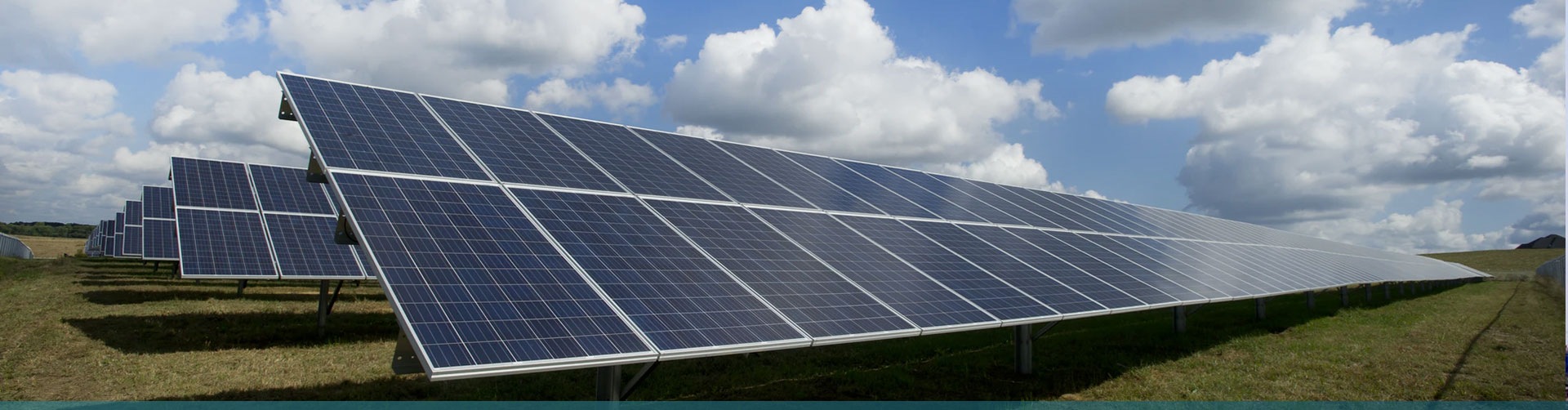
The 2026 European International Solar Exhibition was held from June 23 to 25 in Munich, Germany. In previous years, solar modules occupied the central position of exhibitor booths. This year, however, energy storage systems, energy management platforms, and integrated solar-storage-charging solutions have emerged as the new focal points.
As wind and solar capacity continues to grow rapidly, the industry‘s attention is shifting from “how to generate more green electricity” to “how to store, regulate, and utilize green power efficiently.” Solar-storage integration, artificial intelligence (AI), and system integration have become frequent buzzwords at the exhibition, with flexibility and coordination of energy systems emerging as the new competitive frontier in the renewable energy sector.
Energy Storage Becomes a Critical Pillar of the Energy Transition
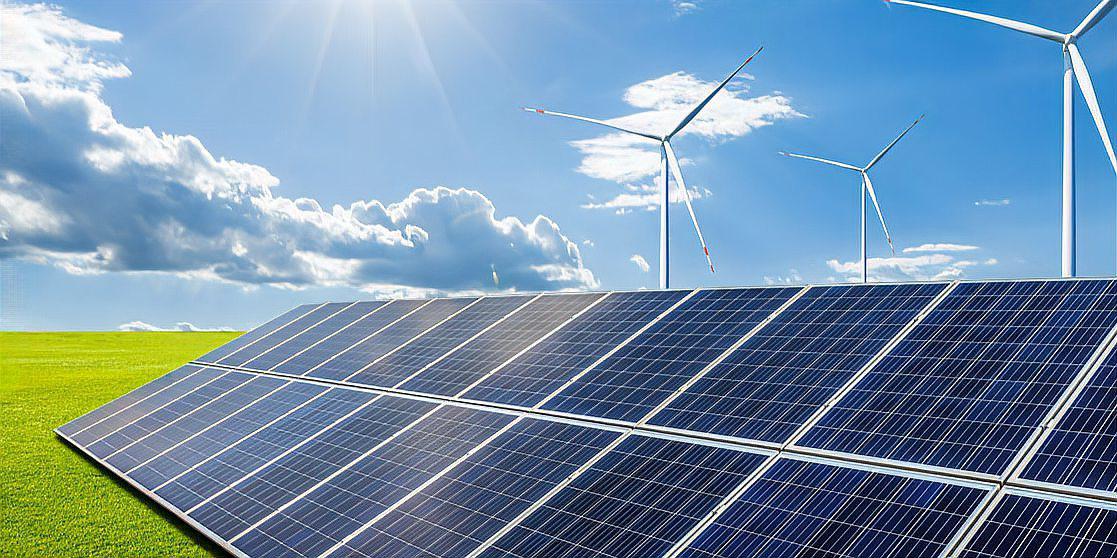
For years, expanding green electricity supply has been a key goal of Europe‘s energy transition. Driven by policy support and technological progress, Europe’s wind and solar capacity has continued to expand. According to a report by energy think tank Ember, in 2025 wind and solar accounted for 30% of the EU‘s total electricity generation, surpassing fossil fuel generation for the first time.
However, the rapid growth of renewables has also brought new challenges. Unlike conventional energy sources, wind and solar power are inherently intermittent, creating a mismatch between generation and demand. For example, solar output peaks during the day, but drops sharply just as residential electricity consumption peaks in the evening. How to ensure green power is available when needed has become a key task for the next phase of Europe’s energy transition.
“In the past, the industry focused on how to produce more clean energy. Today, the more critical question is how to manage it,” said Markus Elsässer, Managing Director of the exhibition‘s organizer. Energy storage helps address this challenge by storing electricity during peak generation periods and releasing it when demand rises, thereby improving renewable energy integration, reducing market volatility, and strengthening the energy system’s ability to cope with supply-demand fluctuations.
As a result, energy storage is transitioning from an auxiliary component to an essential part of the energy system. Data from SolarPower Europe shows that the EU added 27.1 GWh of new battery storage capacity in 2025, a year-on-year increase of 45%.
AI Opens a New Chapter for Smart Energy
At this year‘s exhibition, the integration of AI with energy systems emerged as a major trend, with more companies embedding AI and energy management capabilities at the core of their offerings.
Chinese company Growatt presented an AI-powered home energy management system. After users set goals such as “minimize electricity costs” or “ensure backup power during outages,” the system automatically schedules storage charging and discharging based on weather changes, electricity price fluctuations, and household demand, while also coordinating EV chargers, heat pumps, and other devices to achieve dynamic optimization of energy use.
In large-scale storage applications, AI is also reshaping traditional energy management. By analyzing weather patterns, load profiles, and market price movements, AI algorithms can forecast supply-demand trends and optimize storage dispatch strategies, improving renewable energy utilization and economic returns.
Experts from the Fraunhofer Institute for Solar Energy Systems noted that the core challenge for future energy systems lies in achieving efficient coordination between generation, storage, and consumption through digitalization, storage, and cross-sector collaboration.
Deepening Transformation and Expanding China-Europe Cooperation
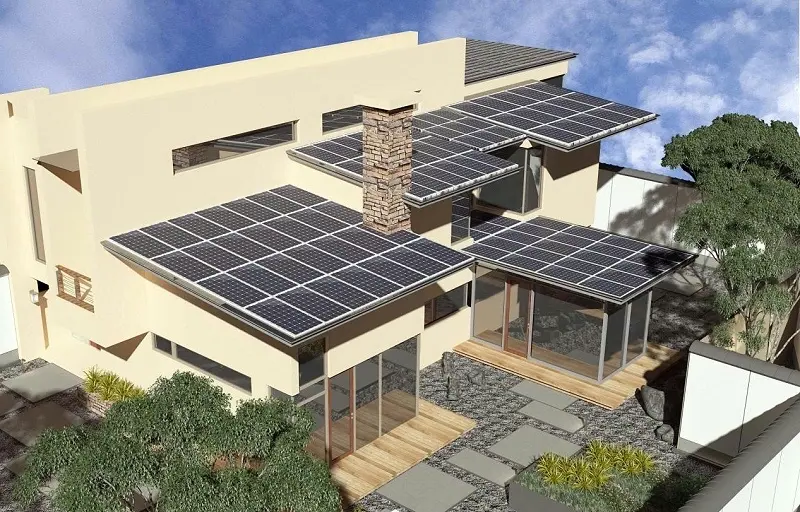
Recent conflicts in the Middle East have once again disrupted global energy markets. For Europe, which relies heavily on energy imports, developing local renewables is a matter of energy security. According to SolarPower Europe, existing PV capacity is already acting as an “energy buffer” — in the first two months after the conflict began, PV generation helped the EU avoid EUR 8.5 billion in natural gas import costs. By 2030, annual savings on gas imports could exceed EUR 50 billion.
“Further development of solar-storage integration will play a greater role in lowering energy costs and reducing external dependence in Europe,” said Elsässer. Europe‘s focus is shifting from “adding capacity” to “building systems.” The future competitive edge will lie in connecting generation, storage, grids, and consumption into a more stable and efficient energy system. In this process, Chinese companies are becoming important partners in Europe’s energy transition.
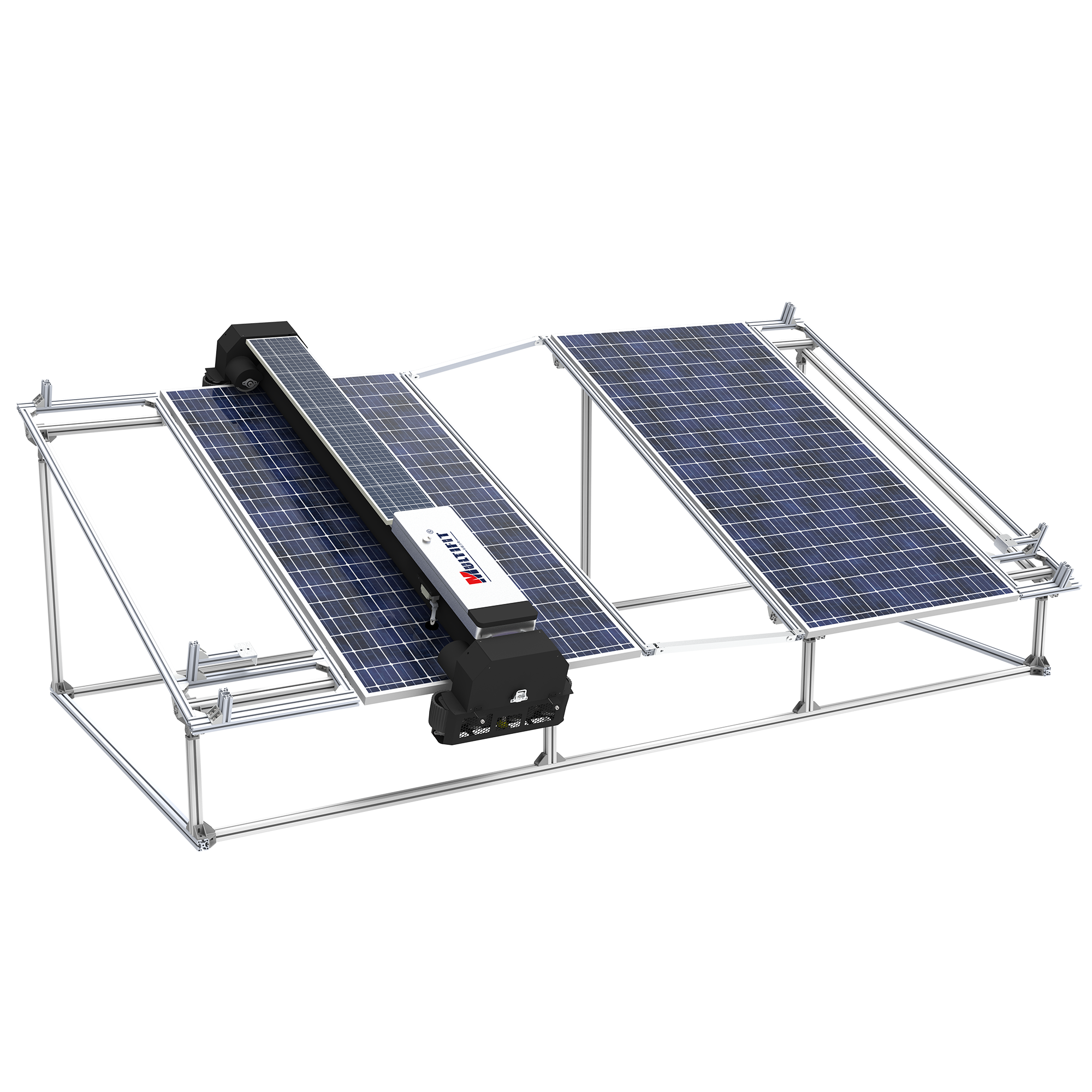
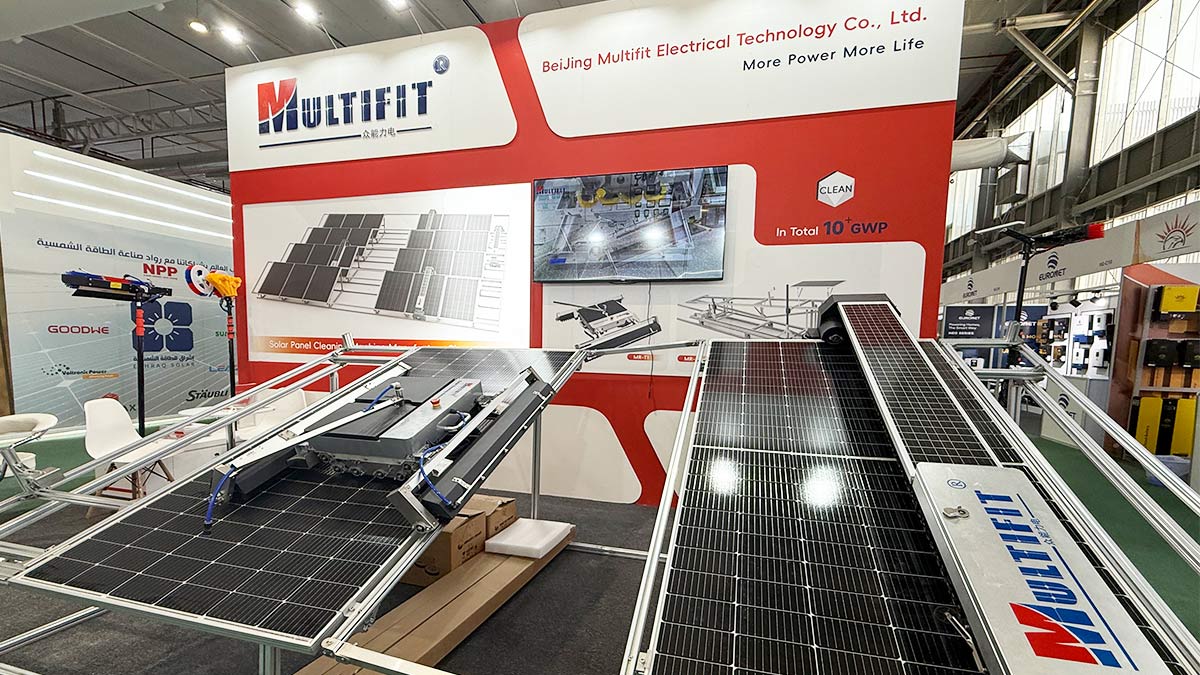
In Europe, energy storage and AI are reshaping the logic of energy systems; in China, PV technology and smart operation & maintenance are also accelerating integration. As integrated solar-storage solutions become the norm, ensuring that every photovoltaic module maintains peak performance throughout its entire lifecycle has become the key to closing the loop on energy value. At this stage, MULTIFIT, with years of expertise in solar cleaning and smart O&M, is providing comprehensive solutions from module cleaning to system optimization for users worldwide.
As a national high-tech enterprise, MULTIFIT specializes in the R&D and manufacturing of solar cleaning robots and smart operation & maintenance systems. Its product portfolio includes fully automatic side to side cleaning robots, tracked obstacle crossing robots, and semi automatic cleaning brushes, adaptable to PV plants of varying terrains and mounting angles. The robots support both water washing and dry cleaning modes, and enable remote scheduling and unattended operation via web based cluster control. Since its founding in 2009, MULTIFIT‘s products have been exported to more than 50 countries and regions, delivering reliable safeguards for the long term stable performance of PV power plants worldwide.
Post time: Jul-01-2026