
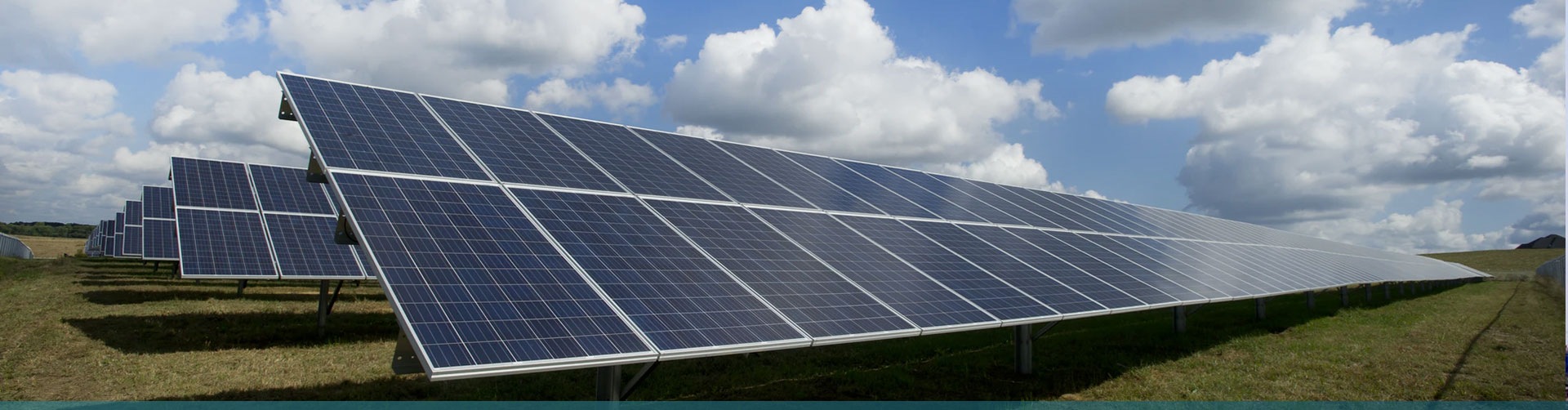
At present, the global energy transition is accelerating steadily. As a clean, efficient, and renewable core energy source, photovoltaic (PV) power generation has become a key pillar supporting the optimization of the global energy structure and the fulfillment of carbon peak and carbon neutrality goals. In 2026, China’s PV industry is undergoing a triple transformation – policy restructuring, market reshuffling, and technological breakthroughs. A series of major new policies have been intensively implemented, technological innovations continue to materialize, and market rules have been comprehensively upgraded. The industry has completely moved away from the old development model of extensive expansion and involution-style competition, officially entering a new high-quality development cycle defined by “quality improvement, compliance-driven operations, technology leadership, and value prioritization.” From top-level policy adjustments and industrial structure optimization, to end-market expansion and cutting-edge technological iteration, the entire PV industry chain is undergoing a comprehensive upgrade, demonstrating strong development resilience and broad market prospects.
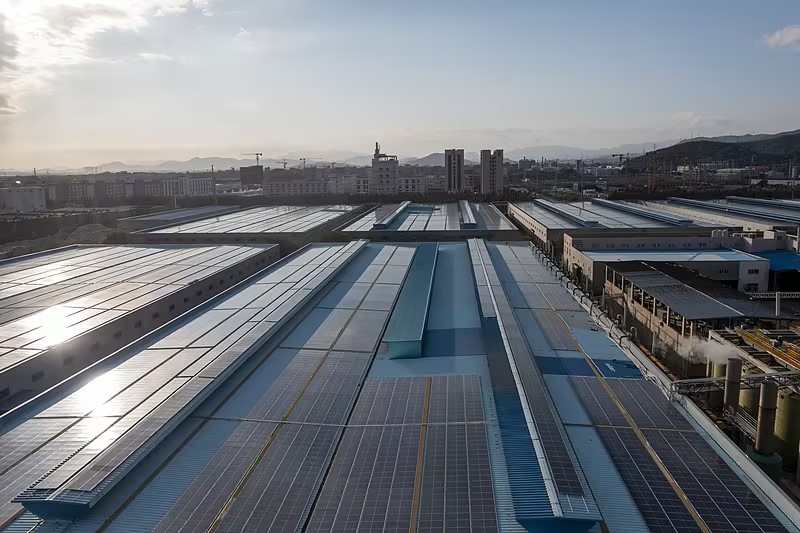

The year 2026 marks a pivotal “year of standardized transformation” for China’s PV industry. Multiple ministries and commissions have rolled out a combination of new policies that precisely address industry pain points and chart a new course for healthy sector development. On April 1 of this year, the export tax rebate policy for PV products was officially abolished, signaling that China’s PV industry has completely shed its dependence on policy subsidies and entered a new phase of full-fledged market competition. For a long time, the export tax rebate policy had provided strong support for domestic PV enterprises in expanding overseas markets, helping China become the world’s largest producer, seller, and exporter of PV capacity and products. The phase-out of this policy now compels the industry to abandon the old competitive model of low-price involution and high-volume, low-value shipments, pushing enterprises to shift from “price competition” to “quality competition, technology competition, and service competition.” It accelerates the elimination of outdated and inefficient production capacity, forces the entire industry chain to upgrade quality, and drives the industry’s fundamental transition from “scale expansion” to “value enhancement.”
Shortly thereafter, the National Energy Administration implemented a landmark grid-connection policy, with the new version of the Guidelines for Assessing the Carrying Capacity of Distributed Power Access to Power Systems officially taking effect, completely abolishing the 80% grid-connection cap for distributed PV that had been in place for six years. This policy relaxation has removed the core bottleneck for distributed PV grid connection, effectively solving long-standing problems such as connection difficulties, capacity expansion restrictions, and protracted project lead times for commercial, industrial, and residential PV projects. Previously, the rigid 80% transformer reverse load ratio limit severely constrained the large-scale adoption of distributed PV, causing many high-quality projects to be shelved due to insufficient grid-connection indicators. Following the implementation of the new regulation, grid access capacity has been significantly enhanced, unlocking the full PV installation potential across urban and rural commercial rooftops, rural courtyards, industrial parks, and other scenarios. This directly activates a trillion-yuan-level incremental market for distributed PV, injecting core momentum into the expansion of domestic PV demand.
On the front of industry standardization and governance, multiple departments have joined forces to advance the “anti-involution” special rectification of the PV industry and establish a long-term regulatory framework. Since the beginning of this year, the Ministry of Industry and Information Technology, the National Development and Reform Commission, the State Administration for Market Regulation, and other departments have convened multiple special symposiums on the PV industry, introducing governance measures across four key dimensions: capacity regulation, pricing standards, quality supervision, and enterprise mergers and acquisitions. These measures are aimed at cracking down on malicious low-price bidding, the circulation of substandard products, and disorderly capacity expansion. At the same time, the state has officially released mandatory national standards for PV products covering core categories such as polysilicon, silicon wafers, PV modules, and inverters, which will be fully implemented starting January 1, 2027. The Ministry of Finance and the State Taxation Administration have concurrently clarified that a consumption tax on PV cells will be introduced in phases beginning April 2027. These market- and rule-of-law-based measures are designed to force the exit of backward production capacity, concentrate industry resources toward technologically advanced, high-quality, and compliant enterprises, and steadily increase industry concentration.
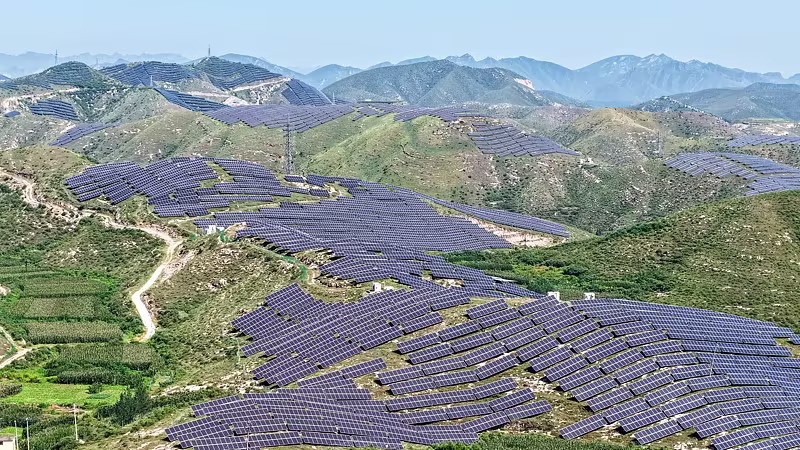
The precise regulatory adjustments at the policy level have fundamentally reshaped the competitive logic of the PV industry. Over the past many years, China’s domestic PV industry relied on its complete industrial chain advantages and low-cost production capacity to expand rapidly, capturing over 80% of the global market share. However, this growth was also accompanied by issues such as overcapacity, homogenization, squeezed profit margins, and uneven product quality. The implementation of the new policies in 2026 marks the definitive end of the era of unchecked growth for the PV industry, ushering it into a stage of compliance-driven, high-end, and refined development. For enterprises in the industry, the survival model of extensive production and low-price, high-volume sales is no longer sustainable. Only by intensively investing in technology R&D, rigorously controlling product quality, optimizing service systems, and aligning with market demands can companies secure a firm foothold in the new round of industry consolidation and achieve long-term development.
On the foundation of policy support, continuous technological innovation in the PV industry serves as the core driving force behind industrial iteration and upgrading. At present, conventional crystalline silicon PV technology continues to be optimized, with photoelectric conversion efficiency constantly reaching new records. The stability, weather resistance, and service life of mass-produced modules have been comprehensively improved, enabling adaptation to various complex outdoor environments such as high temperatures, high humidity, sandstorms, rain, and snow, significantly reducing the life-cycle cost of PV power generation. Concurrently, the industrialization of cutting-edge PV technologies is progressing at an accelerated pace. The Renewable Energy Development “15th Five-Year Plan” explicitly prioritizes accelerating the industrialization of high-efficiency perovskite tandem cell fabrication technologies and outlines frontier R&D in areas such as space solar power, opening up entirely new trajectories for the long-term development of the PV industry.
Innovative outcomes in flexible PV, high-efficiency tandem cells, and intelligent PV adaptation technologies are continuously materializing, steadily broadening the application scenarios for PV products. Beyond the three core scenarios of traditional ground-mounted power stations, commercial and industrial PV, and residential PV, emerging scenarios such as building-integrated photovoltaics (BIPV), agrivoltaics, PV-integrated cultural tourism, and portable distributed PV are rapidly gaining traction, achieving deep integration of new energy with various industries. Meanwhile, as smart and digital technologies become deeply intertwined with the PV sector, supporting technologies such as intelligent O&M, automated cleaning, remote monitoring, and fault early warning have matured. These effectively address industry pain points including dust accumulation, soiling shading, module degradation, and complex maintenance, significantly enhancing the power generation efficiency and operational stability of PV power plants, and driving the evolution of PV systems from “mere power generation equipment” to “intelligent energy systems.”
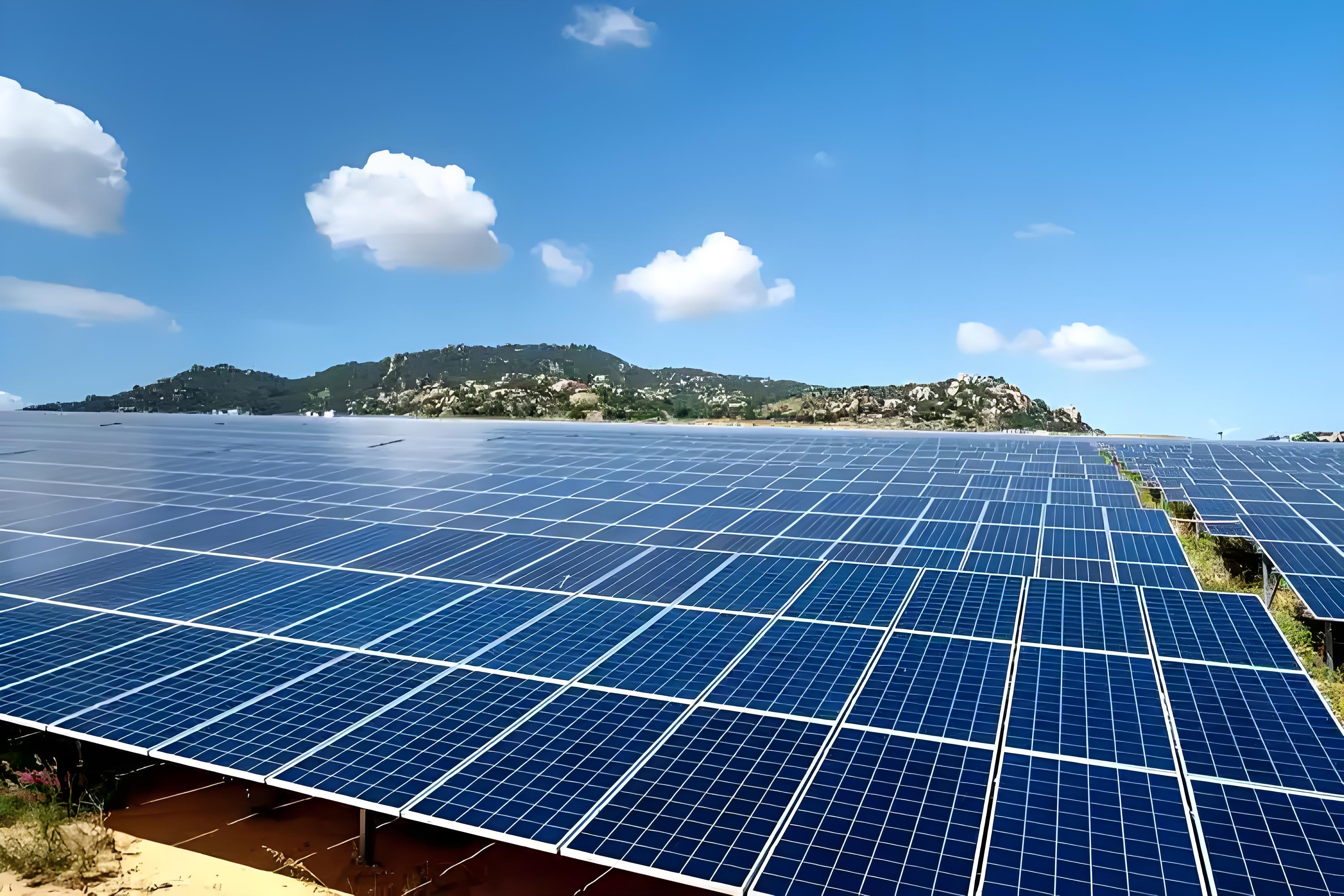
From a market structure perspective, the PV industry in 2026 exhibits a positive two-way improvement: enhanced quality in external demand and expanded scale in domestic demand. In overseas markets, although the removal of export tax rebates presents short-term challenges, the global trend toward carbon neutrality remains unchanged, and demand for new energy alternatives continues to be robust across various countries. High-quality, highly stable, and highly adaptable Chinese PV products still possess core competitiveness, with the industry’s export structure continuously optimizing and the proportion of high-value-added products increasing significantly. In the domestic market, the deepening of the dual-carbon strategy, the accelerated construction of new power systems, coupled with the relaxation of grid-connection policies, energy upgrades in rural revitalization, and the surge in demand for energy cost reduction from commercial and industrial sectors, are driving sustained and steady growth in domestic PV installations. Distributed PV has become the core engine of industry growth, with incremental market space continuing to broaden.
Looking at the overall development trend of the industry, the PV sector in 2026 is at a critical window of breaking with the old and establishing the new, undergoing transformation and upgrading. The three dimensions – policy-side tightening and empowerment, market-side reshuffling and survival of the fittest, and technology-side continuous iteration and innovation – resonate together to completely reconstruct the industry’s development ecosystem. Looking ahead, the core competitive battleground for the PV industry will center on four areas: high-quality products, core technology R&D, refined O&M, and customized solutions. Enterprises with full-chain service capabilities, solid core technology barriers, and strict quality control systems will continuously benefit from industry upgrade dividends and emerge as the backbone of high-quality industrial development.
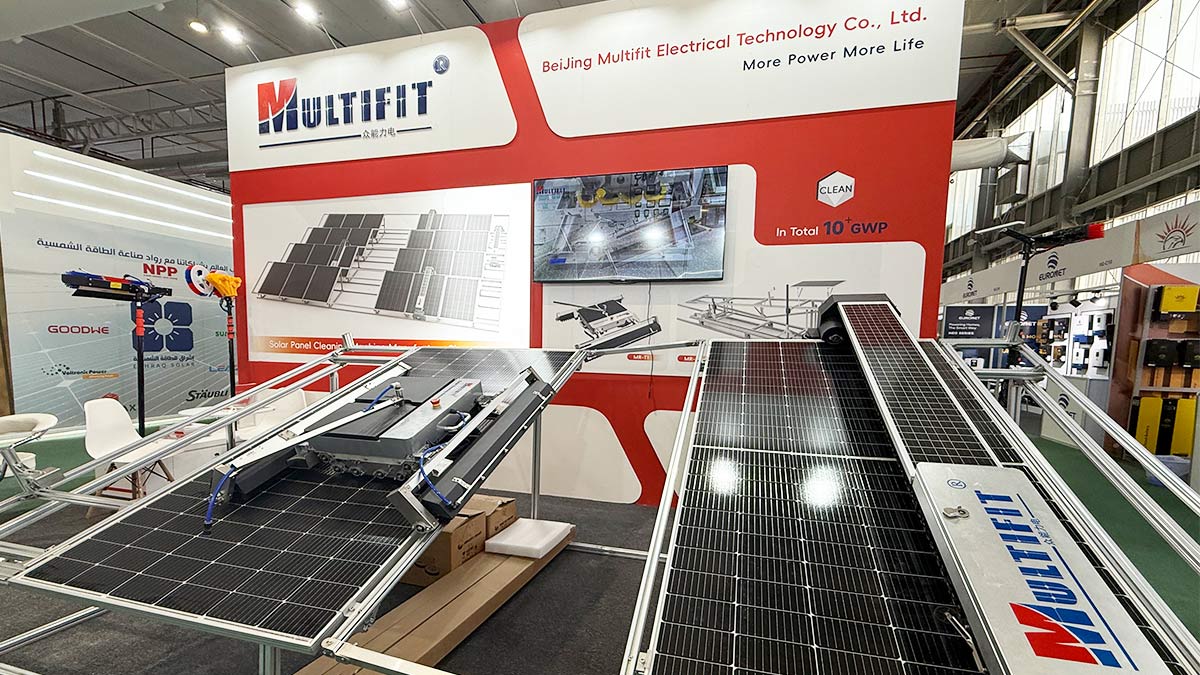
Amidst the new wave of PV industry development, Zhongneng accurately grasps industry policy trends, technological iteration directions, and evolving market demands.
With years of deep engagement in the PV new energy sector, the company focuses on the R&D, production, and sales of high-quality PV panels and supporting PV equipment. It has strategically positioned itself across distributed PV, commercial and industrial PV, and residential PV full-scenario solutions, closely following the pace of high-quality industry development and continuously providing global customers with highly stable, high-efficiency, cost-effective PV products and one-stop energy solutions.
Leveraging a mature production system, stringent quality control standards, and continuous technological innovation capabilities, Zhongneng consistently adheres to the business philosophy of “quality as the foundation, technology as the core, and service as the essence.” The company rejects the industry’s chaotic low-price competition, focusing instead on product quality upgrades and technological optimization. Tailored to the varying sunlight conditions, climatic environments, and electricity demand profiles across different regions and application scenarios, it continuously refines PV product performance, enhancing weather resistance, power generation efficiency, and service life. This is complemented by comprehensive pre-sales customized solutions, in-sales technical coordination, and after-sales O&M support services, thoroughly addressing customers’ core needs in project implementation, routine maintenance, and energy efficiency gains.
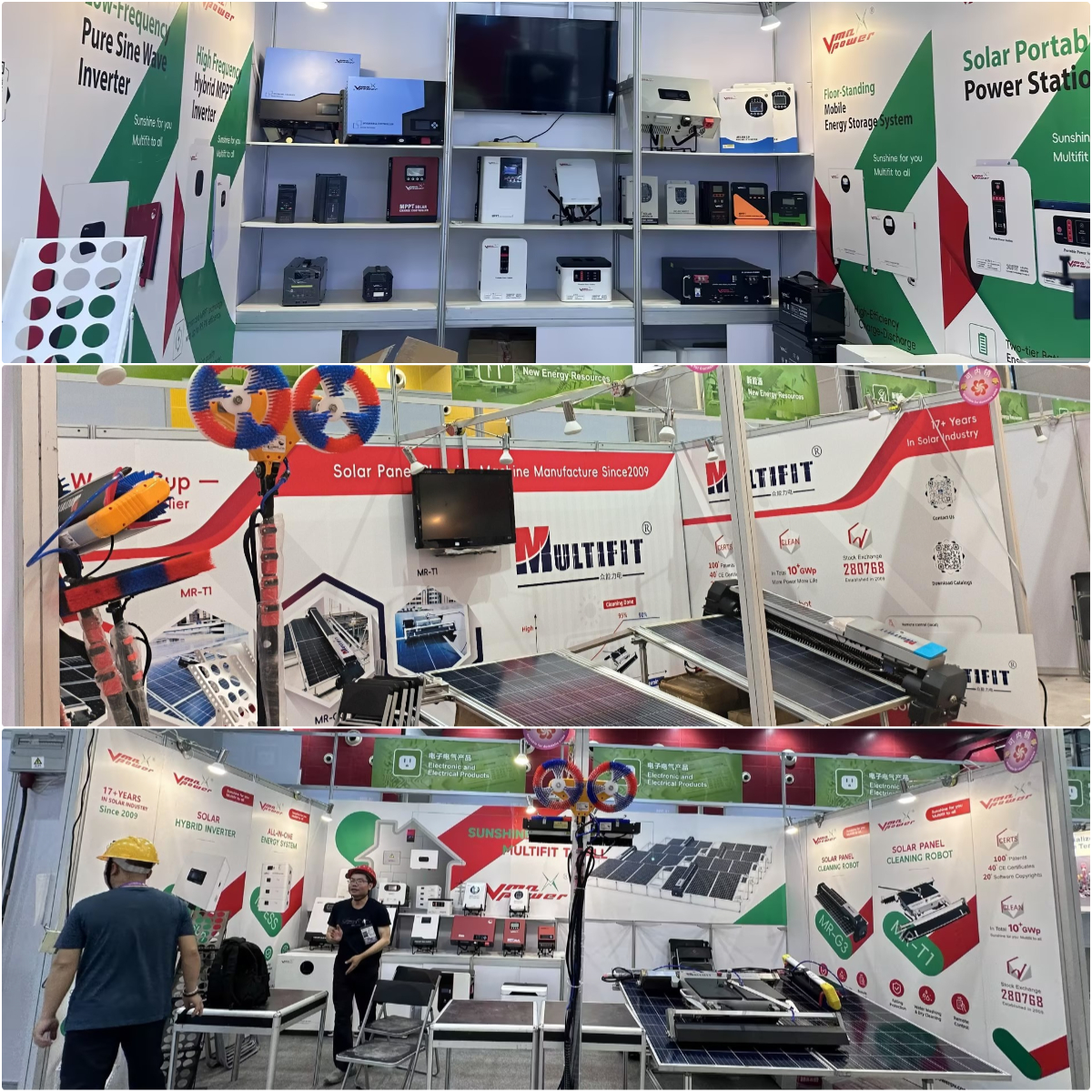
Facing the brand-new industry landscape and development opportunities presented in 2026, Zhongneng will continue to closely follow the national new energy development strategy, align with the industry trends toward standardization, high-end development, and intelligentization, and consistently increase R&D investment, iteratively upgrade core products, and optimize the full-chain service system. It will deeply cultivate the vast domestic market while steadily expanding overseas channels. By building a solid foundation for development through compliant operations, driving product upgrades through technological innovation, and winning market recognition through superior services, Zhongneng is fully committed to contributing to the global energy transition and the achievement of carbon peak and carbon neutrality goals. The company strives to become a benchmark enterprise in the high-quality development of the PV new energy industry and join industry peers in building a clean, efficient, and sustainable new energy future.
Post time: Jul-27-2026