
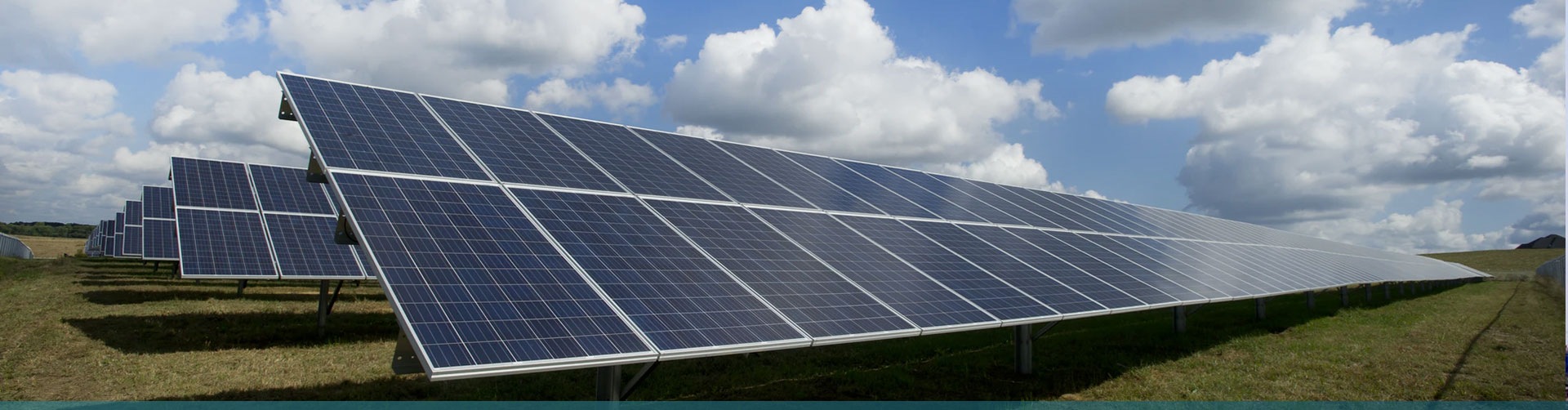
The 2026 National Two Sessions have successfully concluded, with “building a new type of power system” becoming the core keyword in the energy sector this year. Amidst multiple intertwined factors such as ongoing international geopolitical conflicts and the approaching peak summer electricity demand, the photovoltaic industry is undergoing a strategic transition from “scale expansion” to “efficient absorption.” For PV module enterprises navigating industry adjustments, digital transformation is no longer a matter of choice, but a necessary path for survival and high-quality development.
Two Sessions Set the Tone: New Power System Construction Accelerates, PV Moves Towards “Qualitative Improvement”
This year’s “Government Work Report” explicitly proposed to “focus on building a new type of power system, accelerate smart grid construction, develop new energy storage, and expand the application of green electricity,” elevating the construction of a new power system to a strategic height. As the starting year of the “15th Five-Year Plan” period in 2026, the development of new energy is shifting from “quantitative accumulation” to “qualitative improvement.” Expanding scale while enhancing quality, and achieving reliable substitution, have become the main themes in renewable energy development.
Multiple deputies and members of the Two Sessions pointed out that the current difficulties faced by the PV industry are superficially due to supply-demand imbalance, but at a deeper level, it is a deviation in the logic of competition. Zhong Baoshen, a National People’s Congress deputy and Chairman of Longi Green Energy, stated that high standards should guide industry competition away from pure price wars towards technological and quality improvements. For the module segment, it is necessary to strengthen quality and safety standards, pushing the industry from a price war to a technology and quality war.
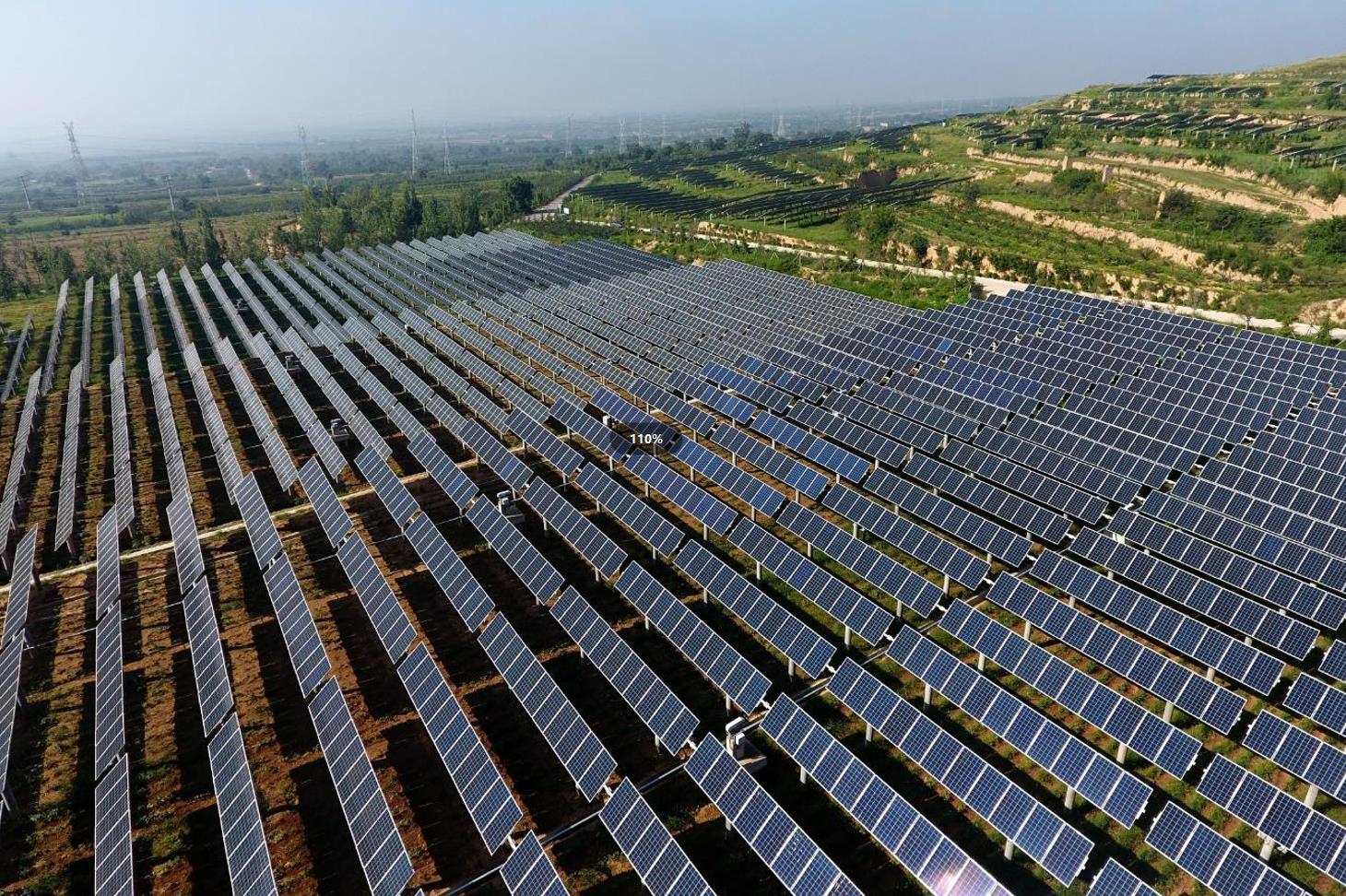
Industry Changes: Overcapacity Forces Transformation, Digitalization Shifts from “Optional” to “Survival Imperative”
By the end of 2025, China’s cell production capacity was approximately 1,400 GW, accounting for over 90% of the global total; PV module production capacity was about 141 GW, representing over 85% of the global total. However, capacity utilization rates across various segments generally remained below 70%, and the structural contradiction between supply and demand has not been fundamentally resolved. The PV module production process involves multiple stages, including silicon wafers, cells, and module encapsulation. Traditional production models suffer from low efficiency, difficulty in quality control, and persistently high costs, making them ill-suited for the demands of high-quality industry development. In this context, digital transformation has become a key lever for enterprises to reduce costs, increase efficiency, and enhance core competitiveness.
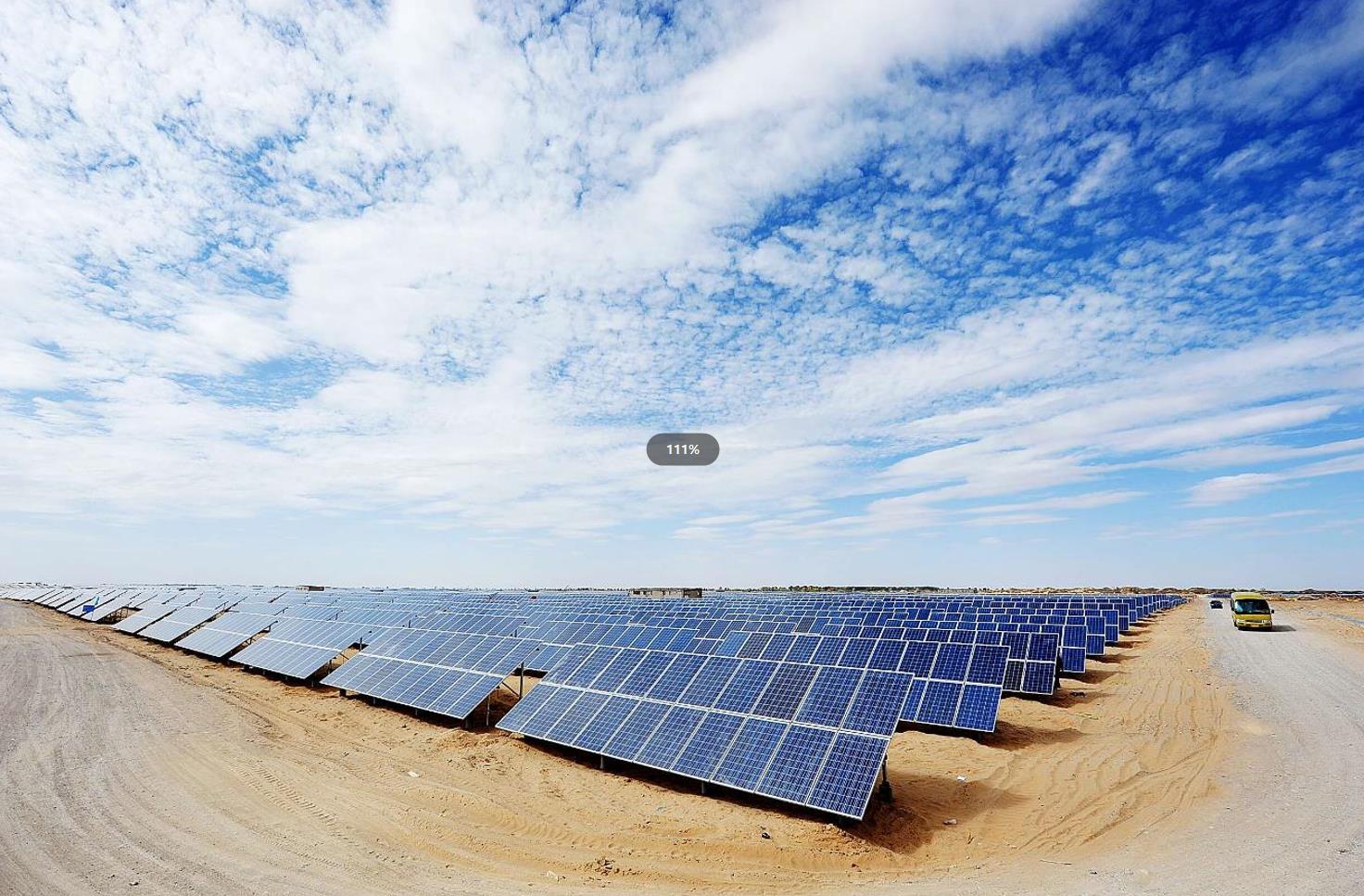
Value of Transformation: Four Dimensions Reshape Competitiveness of Module Enterprises
For PV module enterprises, the value of digital transformation is reflected in four dimensions:
First, improving production efficiency. Digital systems enable automated control throughout the production process, reducing manual intervention and significantly enhancing production continuity.
Second, ensuring product quality. Real-time data monitoring enables full-process traceability from raw material intake to finished product shipment.
Third, optimizing cost control. Data modeling and analysis of energy consumption and materials in each production link allow for precise cost management.
Fourth, adapting to the market entry of all new energy. Digital systems can facilitate coordination and synergy between module production, grid dispatch, and energy storage systems, aiding the efficient absorption of PV power and meeting the requirements of building a unified national electricity market.
Path to Breakthrough: Empowering High-Quality Development Across the Entire PV Industry Chain with Digitalization
In the wave of digital transformation within the PV industry, specialized digital service providers are becoming reliable partners for enterprises on their transformation journey. From intelligent control at the module production end to automated operations and maintenance at the power station end, the digital upgrade of the entire industry chain is reshaping the competitive landscape.
Beijing Multifit Electrical Technology Co., Ltd. is a key player deeply engaged in this field. As a technology enterprise focused on the intelligent operation and maintenance of photovoltaics, the company has independently developed and designed a series of solar panel cleaning robot products. These robots can increase the power generation efficiency of solar panels by 8% to 30% and effectively prevent equipment damage caused by hot spot effects. Currently, the company’s cleaning robots serve numerous power stations, with a cumulative served generation capacity exceeding 500 MW.
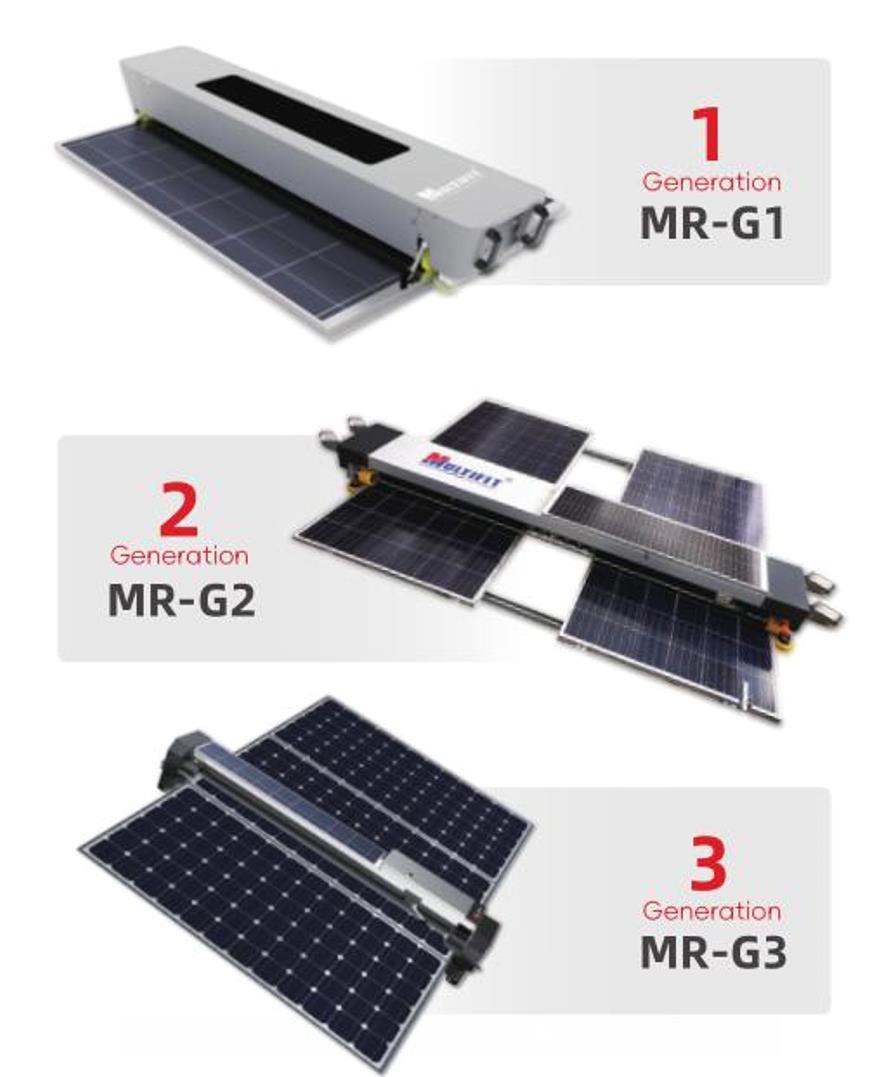
Left-right cleaning robot MR-G Series:
Tracking cleaning robot MR-T1 Series:
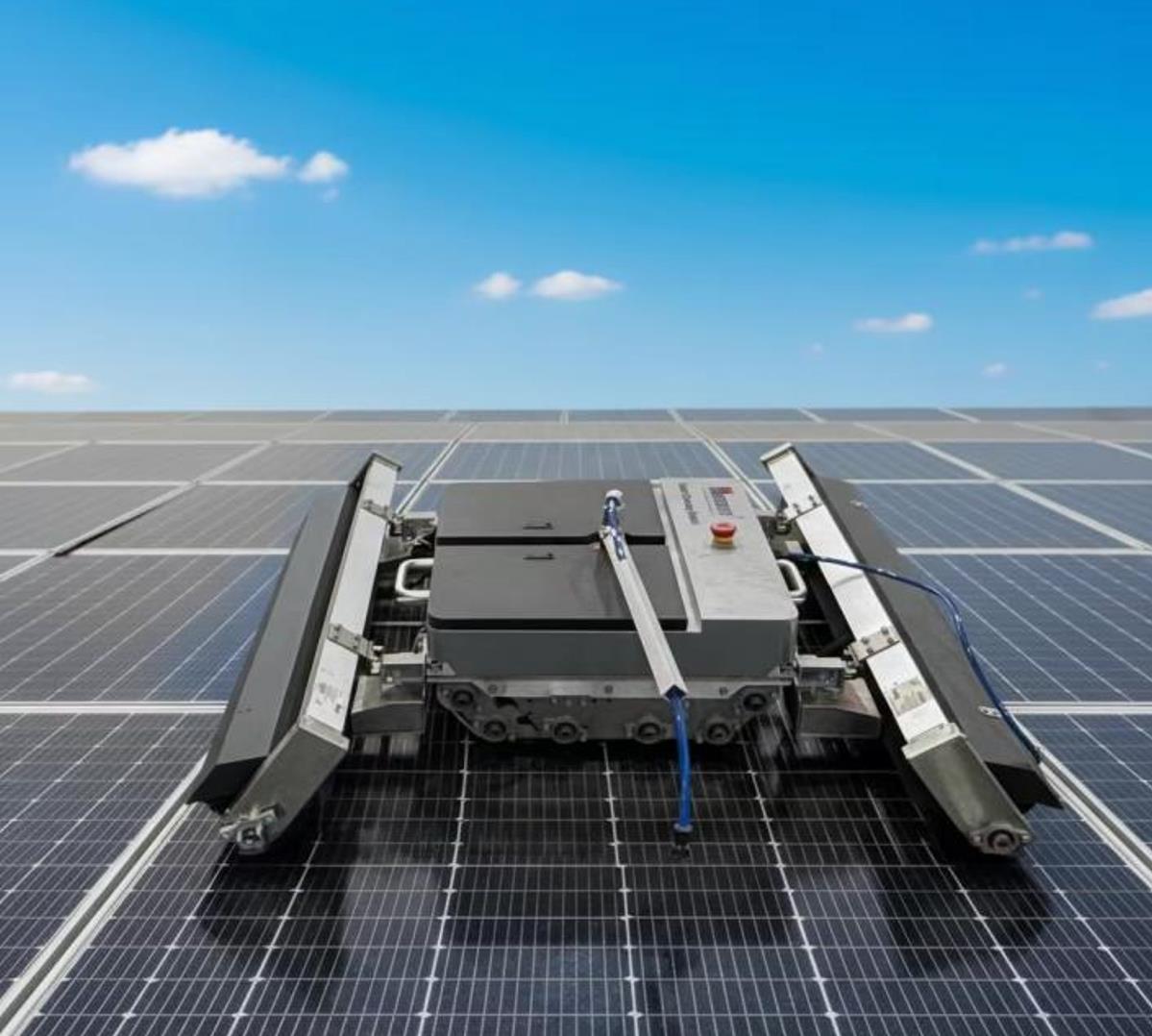
PV panel cleaning brush MULR Series:

The direction set by the Two Sessions, the demand catalyzed by the evolving energy landscape, and the support reinforced by the summer peak all point to a broad and clear development prospect for the photovoltaic industry. For PV module enterprises, digital transformation is not an optional road, but a necessary one; for power station operators, intelligent O&M is equally a key means to enhance asset value. Beijing Multifit Electrical Technology Co., Ltd. will continue to leverage its technological expertise and experience, using intelligent cleaning robots as a key tool to provide efficient and reliable O&M solutions for PV power stations. We aim to empower the high-quality development of the PV industry with digital strength, support the implementation of the national energy strategy, and jointly draw a new blueprint for clean, low-carbon energy development.
Post time: Mar-18-2026