
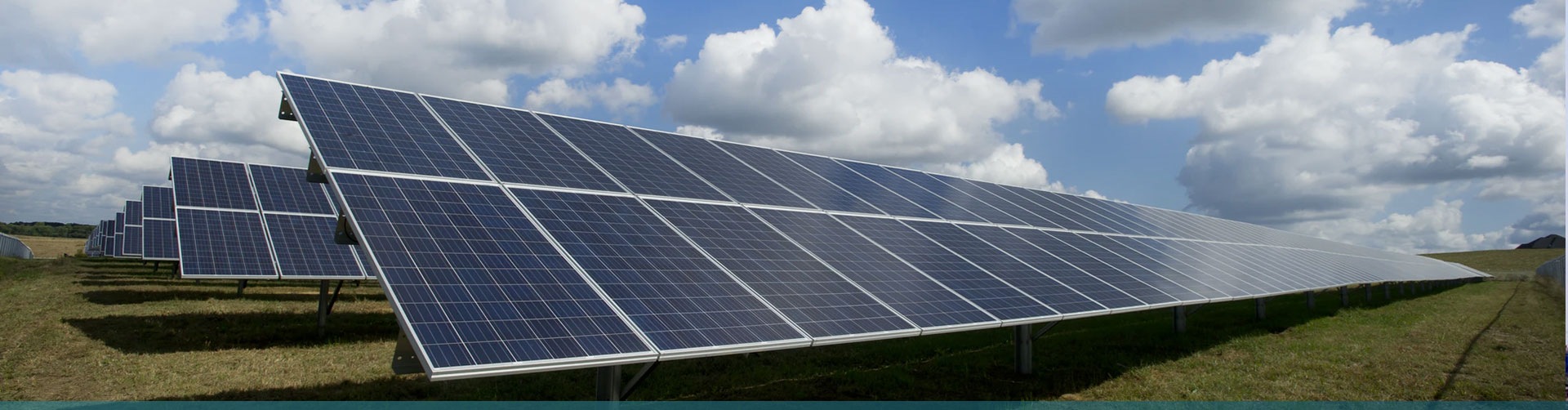
As global installed photovoltaic capacity continues to grow, solar panel cleaning has become a core issue in O&M. The latest industry trends and empirical data from multiple locations in July 2026 show that PV cleaning robots are surpassing traditional manual cleaning in efficiency, cost, safety, and power generation gains, driving the industry into a new phase of intelligent O&M.

Efficiency Overwhelming: One Machine Equals Dozens of Workers
Traditional manual cleaning is inefficient and time-consuming. Industry data shows that a single worker can clean less than 1,000 square meters per day, and large-scale power plants often require dozens of workers several days to complete one cleaning cycle. In contrast, PV cleaning robots demonstrate exceptional efficiency. At a 39,000-square-meter PV base in Chuzhou, Anhui Province, just three robots completed the entire cleaning in over four hours, with a single robot cleaning 3,000 square meters per hour – equivalent to ten days of work for one person. MULTIFIT SOLAR's products similarly increase efficiency by three to five times that of manual labor.

Cost Reduction: Saving Over 90%
Manual cleaning is not only slow but also expensive. For a single large power plant, annual labor costs often exceed one million yuan. After an energy group in Guangxi deployed AI cleaning robots, labor costs dropped by approximately 91.7%, while operational efficiency increased by 300%. In water-scarce regions like Xinjiang and Gansu, the robots' dry-sweeping mode eliminates the need for water, completely removing the high water consumption and logistical burdens associated with manual water-based cleaning.

Safety and Effectiveness: Unmanned Operation with Significant Power Generation Gains
PV power plants are often located in deserts, gobi areas, or on rooftops, where manual cleaning entails risks of high temperatures, working at heights, and traffic hazards. Robots can operate fully automatically without human intervention, fundamentally eliminating safety risks. More importantly, cleaning effectiveness directly impacts power generation revenue. A 51-day controlled experiment at the Ningde SAIC Motor base showed that strings cleaned daily by unattended robots generated 17.93% more power than those cleaned manually with water, with a single manual water-cleaning session proving effective for less than six days. After the G7 expressway tunnel PV station in Inner Mongolia introduced drone cleaning, it also resolved the safety challenges of manual roadside operations, steadily restoring power generation efficiency.

In conclusion, whether evaluated from the perspectives of economic benefits, operational efficiency, or safety assurance, PV cleaning robots have demonstrated overwhelming advantages over manual cleaning. As the global PV industry moves toward high-quality O&M, intelligent cleaning is set to become the "standard" for newly built power plants.

MULTIFIT SOLAR: Turning Every Ray of Sunlight into Clean Electricity
With over a decade of deep expertise in PV cleaning equipment, MULTIFIT SOLAR leverages cutting-edge technology to meet the challenge of windblown sand. From the Lusail Stadium project at the Qatar World Cup to over 50 countries worldwide, customized intelligent cleaning robots have operated reliably in extreme dusty conditions. Real-world data shows that regular cleaning can improve power generation efficiency by over 15%, transforming O&M from a "cost center" into a "profit center." MULTIFIT SOLAR – delivering dust-free sunlight and clean energy to the world.
Post time: Jul-31-2026