
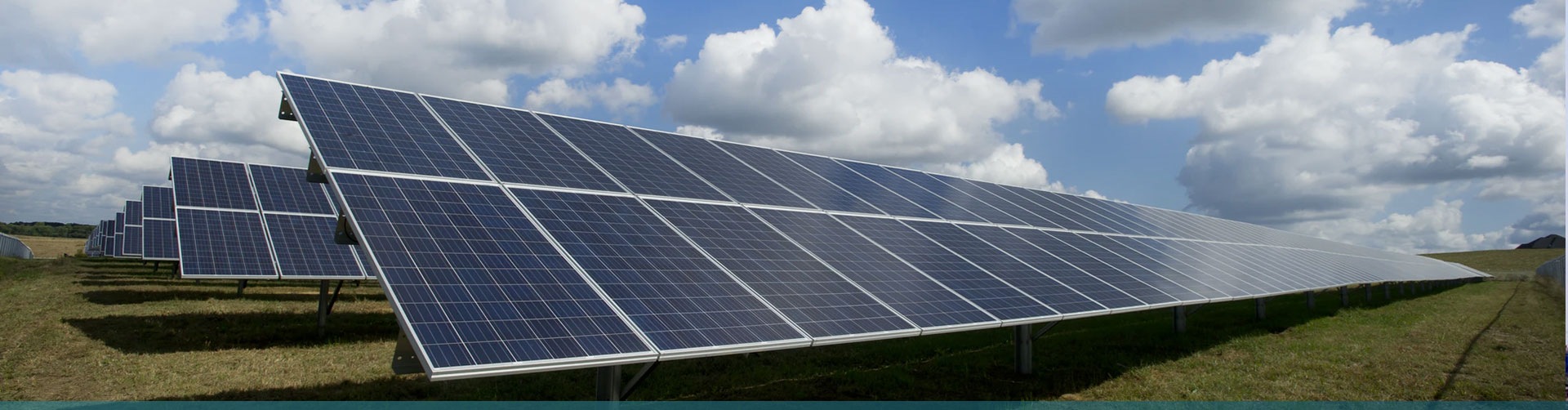
Many regions in India face frequent power outages and extremely high commercial/industrial electricity prices (exceeding 10 rupees/kWh in some areas), which significantly shortens the payback period for “PV + energy storage” systems. As a core component, hybrid inverters have seen a surge in demand. Furthermore, the Indian government has launched the PM-Surya Ghar Muft Bijli Yojana scheme, aiming to install rooftop solar systems for 10 million households with substantial subsidies, greatly stimulating the residential PV market. Hybrid inverters with backup power functionality are key equipment in this initiative.
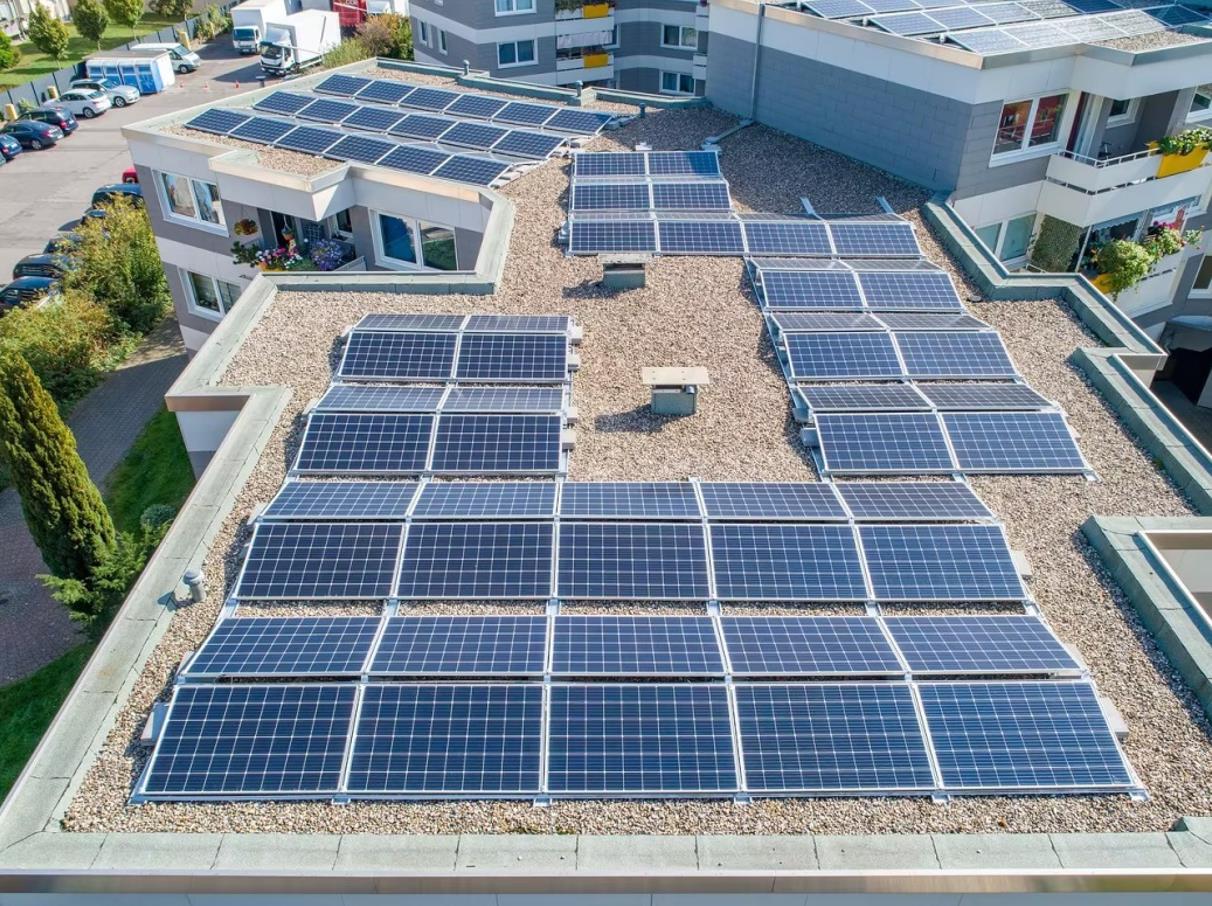
This is critical because India’s economic structure is fundamentally household-driven. Nearly 60% of its GDP comes from households, whether through consumption, remote work, micro-enterprises, or the service sector. If households face instability at the energy level, the economy absorbs that instability.
As India progresses toward its goal of becoming a developed nation by 2047, energy independence will not be achieved solely through large-scale power plants or grid-side storage. Instead, it will be built household by household.Hybrid inverter systems are often misunderstood as merely “inverters with batteries.” In reality, their significance is far greater.
What is a hybrid system?
True, usable energy independence – a hybrid system can seamlessly switch to energy storage for power supply during a grid outage. The transition is instant, requires no downtime or manual intervention, and does not rely on fossil fuel backup generators. For households, this redefines the meaning of “reliability.”
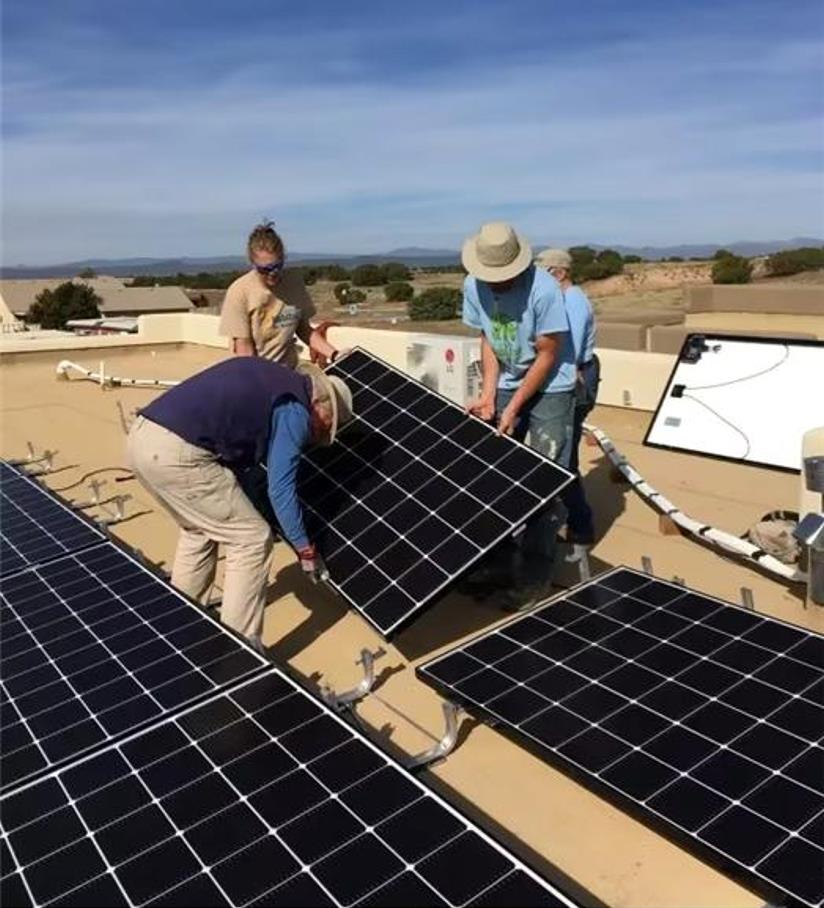
They act as the “operating system” for the household energy ecosystem – coordinating solar generation, battery storage, and grid interaction in real time. A hybrid system does not passively respond to power availability; it actively decides how energy flows, where it is stored, and when it is used. In this way, solar power evolves from a simple generation asset into a perceptive, self-adapting energy system.
Looking ahead, the demand for hybrid inverters in the Indian market is shifting from “optional” to ”essential,” particularly in the residential and commercial & industrial sectors. Over the next 1–2 years, with the release of domestic production capacity under the PLI scheme, continuously falling battery costs, and increasing demand for grid interaction, the hybrid inverter market is expected to maintain rapid growth. Competition will intensify further, where localized manufacturing and cost control capabilities will become the key to winning the market.
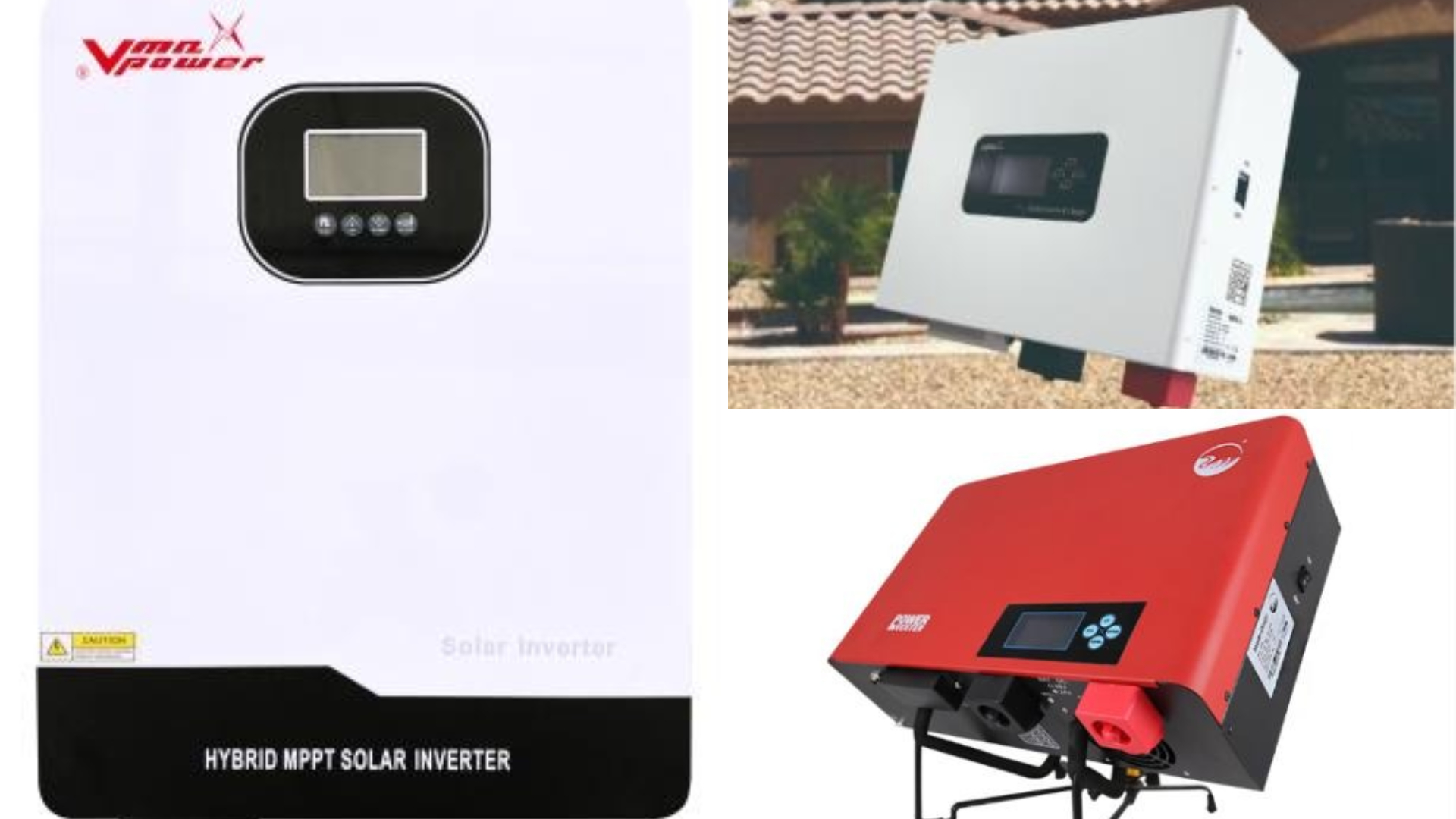
Given the immense potential of the hybrid inverter market, Chinese manufacturers hold advantages in both quality and price for entering the Indian market. If you require hybrid inverters, please contact the Chinese solar system manufacturer — Beijing Multifit Electrical Technology Co., Ltd.
Post time: Feb-06-2026