
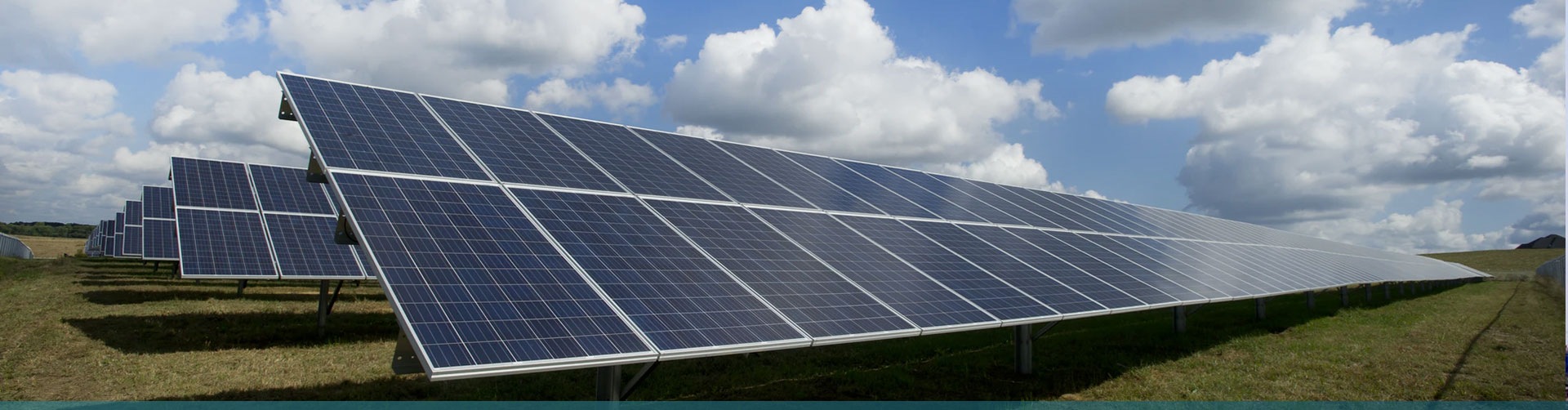
At a critical juncture in the global energy transition, the photovoltaic (PV) industry is facing a complex landscape of opportunities and challenges. In mid-December 2025, a series of developments, from project implementations to industrial policies, outline a picture of accelerating restructuring in the global PV market.
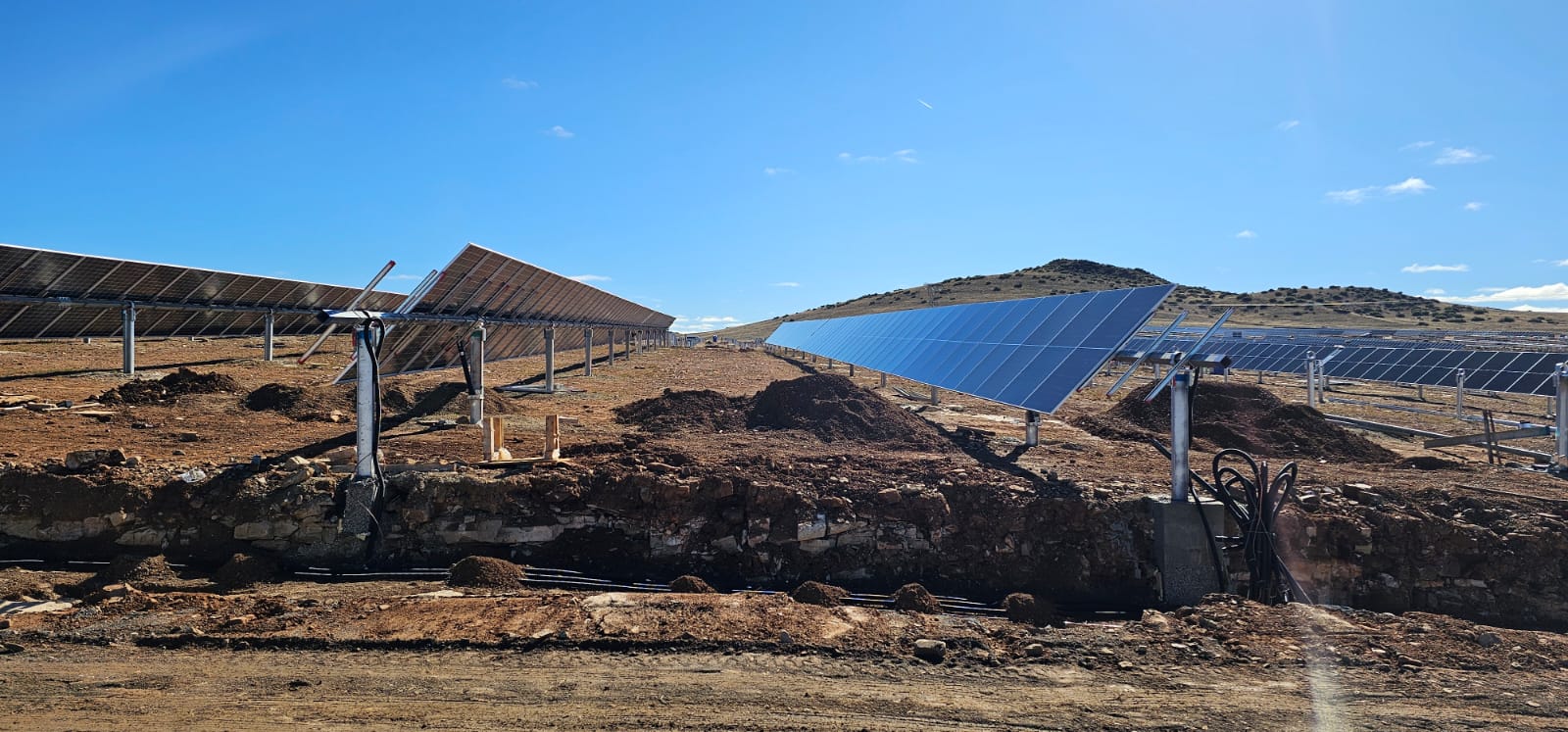
Emerging Markets Become New Hotspots for International Cooperation, with Intensive Overseas Project Launches by Chinese Enterprises
Clean energy projects in Belt and Road partner countries in Central Asia and North Africa are advancing rapidly. On December 15, Kazakhstan’s largest single-unit PV project by installed capacity—the Sauran 300 MW ”PV + Energy Storage” project—officially commenced construction. Built by a Chinese enterprise with a total investment of approximately $307 million, it is expected to be grid-connected by the end of 2026, providing about 674 GWh of clean electricity annually for the local area. Just one day later, the commercial operation ceremony was held for the Kairouan 100 MW photovoltaic power station in Tunisia, constructed by China Energy Engineering Group, marking its official entry into commercial operation. As Tunisia’s largest PV power generation project, it is estimated to reduce natural gas imports by approximately $22 million per year. These projects not only export Chinese technology, equipment, and engineering capabilities but also create a significant number of local jobs and cultivate professional talent.
European and American Policies Build Trade Barriers, Accelerating Reshaping of Global PV Supply Chains
In contrast to the open cooperation in emerging markets, traditional markets in Europe and America are reshaping their supply chain landscapes through policy adjustments. In mid-December, Italy applied the EU’s Net-Zero Industry Act resilience criteria for the first time in its second round of renewable energy auctions, explicitly prohibiting projects with a capacity above 1 MW from using PV modules, cells, and inverters originating from China. This move epitomizes the EU’s efforts to reduce dependency on a single external supply chain and develop local manufacturing capacity. The latest report from the industry association SolarPower Europe warns that 2025 will mark the first year-on-year decline in new PV installations in the EU in a decade, describing this trend as ”self-sabotage” that could jeopardize energy security and industrial competitiveness.
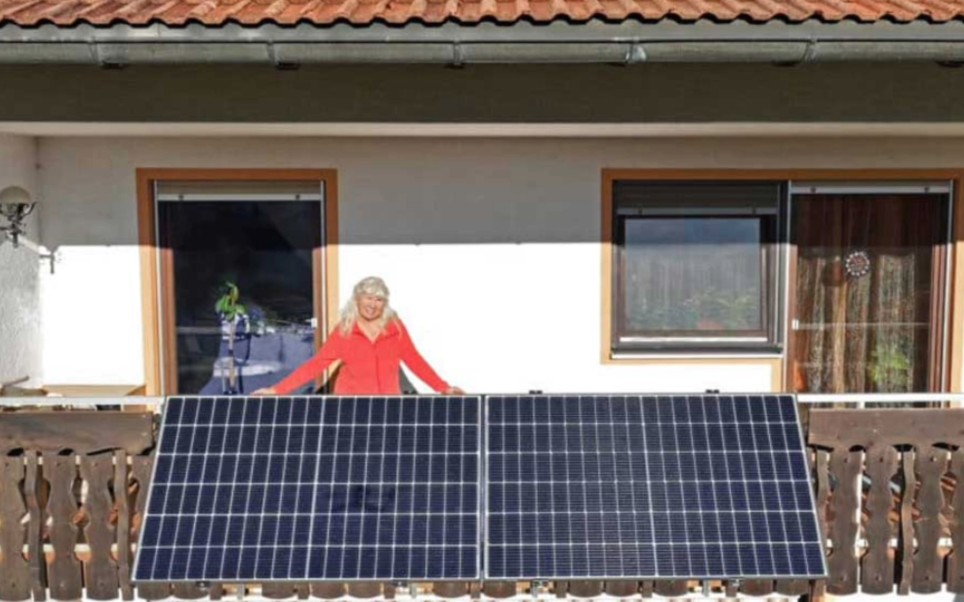
Faced with increasingly high trade barriers in international markets, Chinese PV enterprises are actively adjusting their globalization strategies, shifting from a singular ”product export” model to diversified approaches such as ”technology licensing + local production.” Meanwhile, emerging markets in Africa, the Middle East, and Southeast Asia are becoming new bright spots for the growth of China’s PV exports.
Climate Change Challenges Emerge, Calling for Innovation in Technical Standards
Amid the rapid development of the industry, PV assets themselves are also facing long-term risks from climate change. Research led by a team from Peking University, published on December 18 in the top journal Joule, points out that global warming will significantly accelerate the degradation of PV modules, shortening their operational lifespan. The study predicts that under a global temperature increase of 2.5°C scenario, the levelized cost of electricity (LCOE) for global rooftop PV could increase by an average of about 5%, with some climate-sensitive regions potentially seeing increases of up to 20%. This impact is particularly severe in developing countries, potentially exacerbating global inequalities in the energy transition. The research team therefore calls for an urgent update to current international PV standards, which are primarily based on historical climate data, to adapt to future climatic realities.
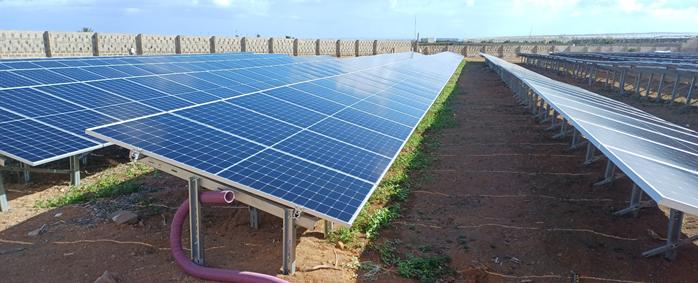
Overall, the industry developments in mid-December indicate that the global PV industry has entered a new stage of development. On one hand, energy cooperation projects are blossoming across multiple global points, driving the green transformation of energy structures. On the other hand, external factors such as trade protectionism and climate change are prompting profound adjustments and innovations across the industry in supply chain layout, technological R&D, and international standards.
Multifit is a national high-tech enterprise committed to the R&D, manufacturing, and global sales of solar energy technologies, as well as PV power station construction, cleaning, and maintenance services. Headquartered in Beijing with a production base in Shantou and branches in Shenzhen and Sichuan, Multifit owns subsidiaries including Multifit Electrical, Multifit Solar, and Multifit Smart.
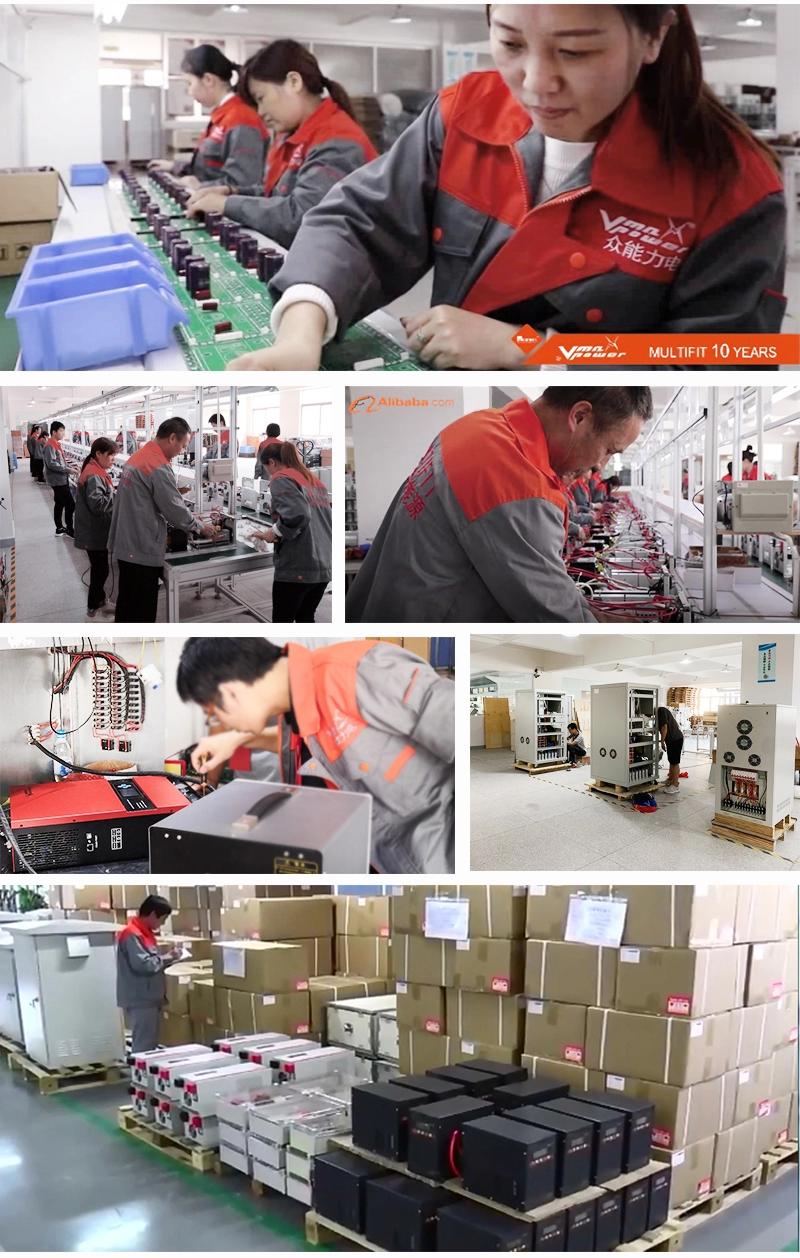
Our main products include solar panel cleaning robots, PV inverters, portable solar generators, MPPT controllers, and solar LED lighting systems.
Since 2009, our innovations have earned over 60 patents, and our products are exported to more than 50 countries across Europe, the Americas, Asia, and Africa. Certified under ISO9001, ISO14000, and OHSMS standards.
Multifit is also recognized as a National High-Tech and “Specialized & Innovative” Enterprise. Guided by the mission “High efficiency and energy saving – bringing green energy we aim to become a global leader in solar power construction, cleaning and maintenance.
Post time: Dec-19-2025