
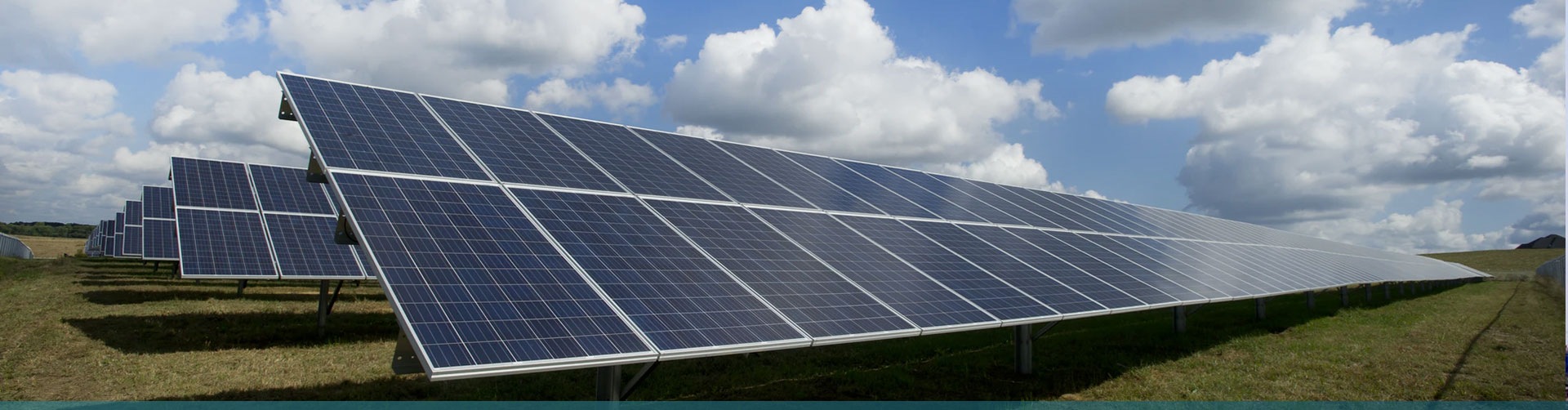
When it comes to solar cells, many people first think of the dark blue silicon panels on rooftops. However, scientists have long been searching for next-generation solar technologies that are cheaper, more environmentally friendly, and rely on more abundant raw materials. Recently, a research team from the Qingdao Institute of Bioenergy and Bioprocess Technology, Chinese Academy of Sciences, achieved a photoelectric conversion efficiency exceeding 15% in a new type of solar cell material, which has been certified by an internationally authoritative institution. The relevant research results have been published in Nature Energy, an international academic journal in the energy and materials field.
It is understood that the core material of this technology is called Copper-Zinc-Tin-Sulfur-Selenium solar cell (abbreviated as CZTSSe). Its material sources are widespread, with the main elements being abundant in the earth’s crust, independent of rare metals, resulting in low material costs. Secondly, it can be prepared using solution-based methods, leading to low manufacturing costs. As a thin-film battery, the amount of material used is low. Furthermore, the material is safe, environmentally friendly, and contains no toxic elements, making it suitable for large-scale applications and capable of maintaining performance in complex environments. Because of these advantages, CZTSSe solar cells are regarded as a highly promising next-generation solar technology.
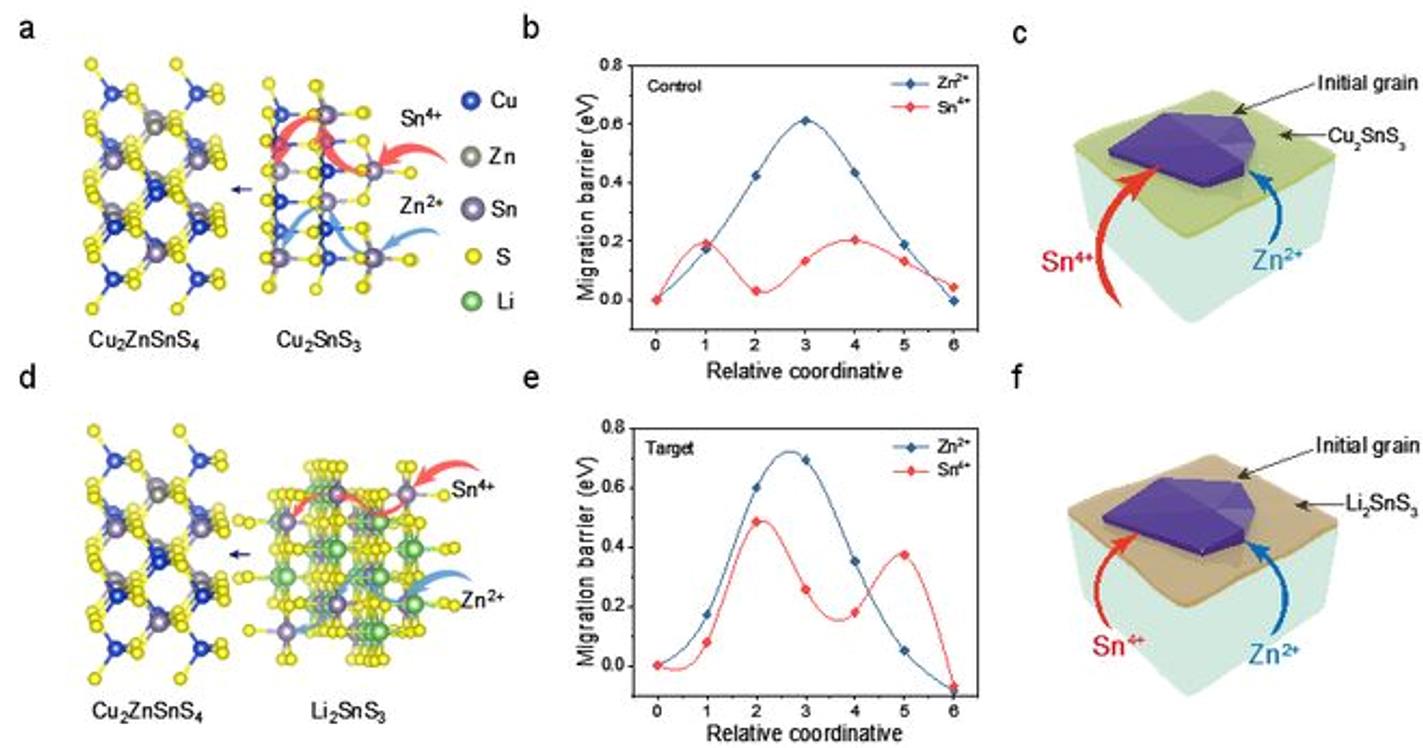
Although this material has an “excellent foundation,” researchers have long been troubled by a key challenge—during high-temperature preparation, the metal ions inside the material tend to “move randomly.” We can imagine it like building a house where the bricks and steel bars shift on their own during construction, resulting in an unstable structure and poor performance. This is a significant reason why the efficiency of CZTSSe solar cells has been difficult to improve.
To solve this problem, the research team from the Qingdao Institute introduced an “interfacial phase” as a “traffic controller” within the material. This special structure, named Li₂SnS₃, guides the metal ions to move along the correct path during critical reaction processes, making the crystal structure more uniform and stable – like getting the “runaway materials” back in line.
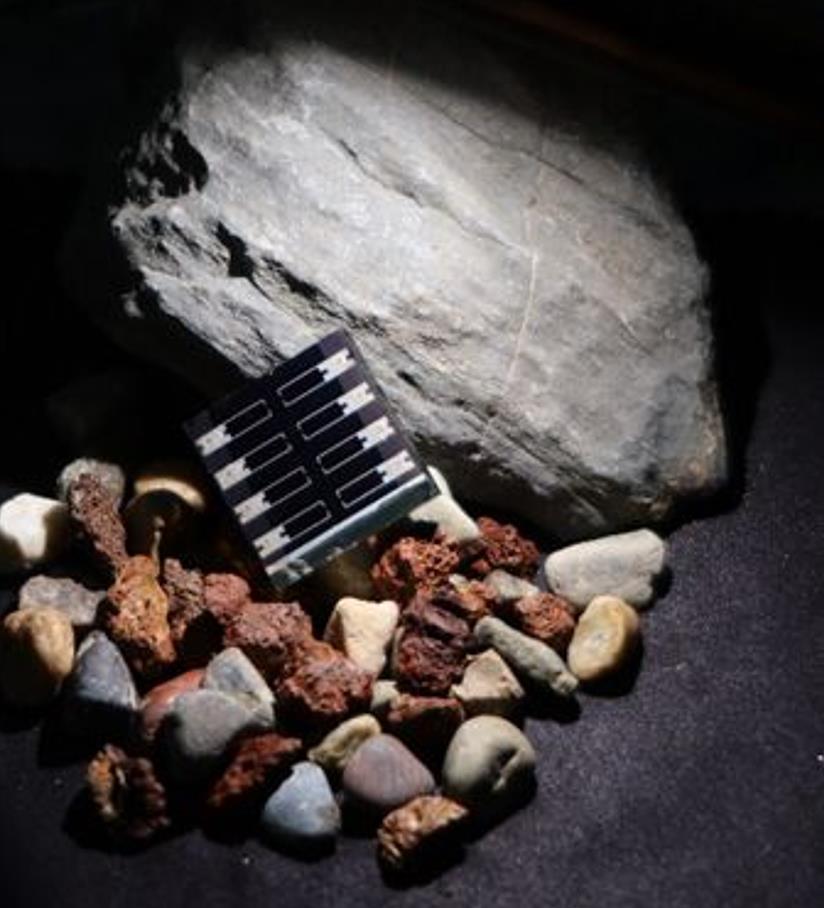
This method allows grains to grow larger and more orderly, significantly reducing internal defects in the material and fundamentally enhancing the battery‘s power generation capacity. With the help of this new mechanism, the research team achieved a series of important results: a photoelectric conversion efficiency of 15.45%; an internationally certified efficiency of 15.04%; and for the first time, an open-circuit voltage exceeding 600mV under narrower bandgap conditions, providing new ideas for solving the performance bottlenecks of this type of photovoltaic device. At the material growth mechanism level, this research systematically explains, for the first time, the relationship between “ion migration – defects – performance,” laying a solid foundation for future industrial applications. As the global energy transition accelerates, this achievement is expected to play a significant role in future clean energy systems, contributing new solutions for green and low-carbon development.
Multifit Powers Green Energy with Innovation and Practice
In this breakthrough study, CZTSSe solar cells demonstrate the immense potential of next-generation photovoltaic technology with their low cost, high safety, and excellent performance. To bring such cutting-edge technology into thousands of households and empower a green lifestyle, solid support from the industrial side is indispensable. As a high-tech enterprise deeply engaged in the photovoltaic field for many years, Multifit is always dedicated to transforming advanced scientific research results into efficient and reliable clean energy solutions, ensuring that innovation extends beyond the laboratory and takes root in every ray of sunshine.
Multifit is a national high-tech enterprise committed to the research, development, production, and sales of green energy, such as solar power generation, as well as photovoltaic power plant construction, cleaning, and operation maintenance services. Its headquarters are located in Beijing, with a production base in the National High-tech Industrial Development Zone in Shantou, Guangdong, and a branch office in Shenzhen.
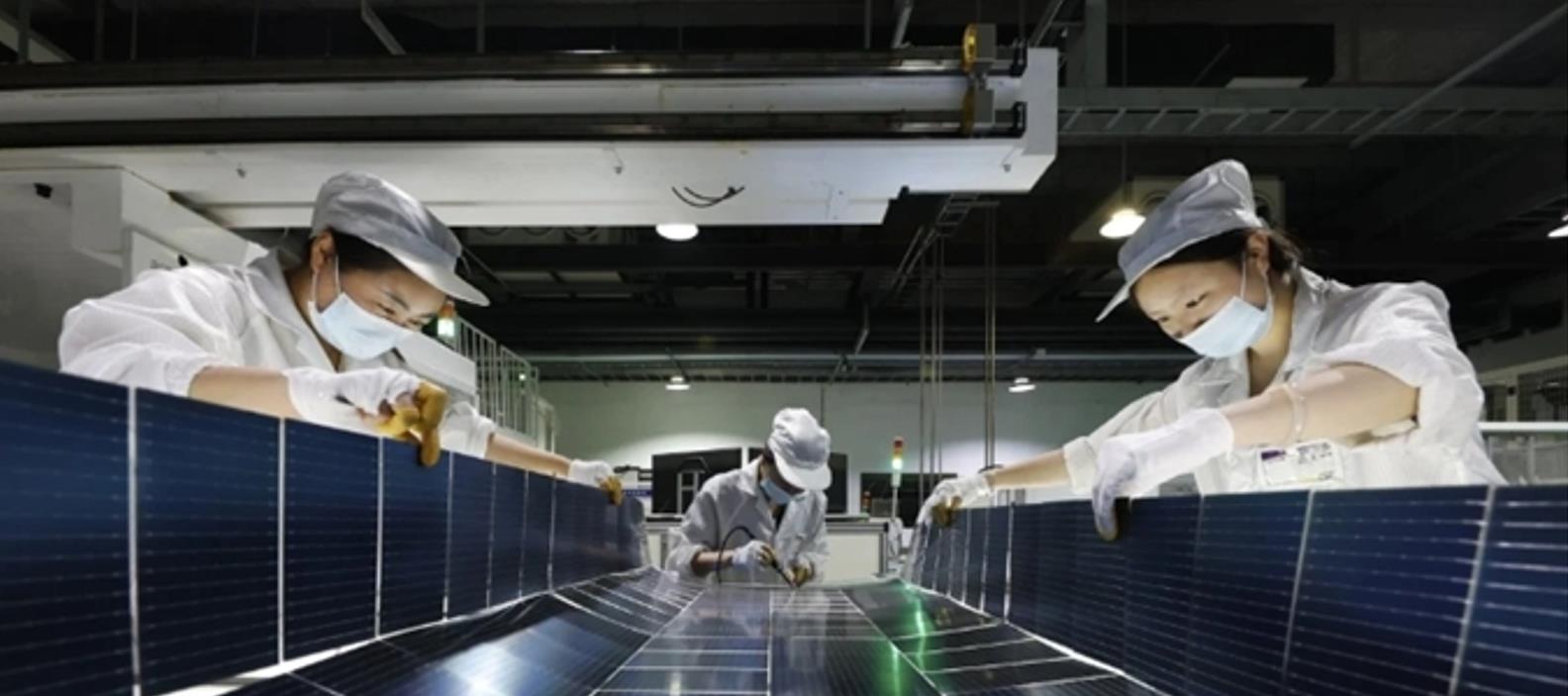
The company specializes in the technological development, production, sales, and system integration of solar cleaning robots and supporting equipment, photovoltaic inverters, photovoltaic mobile power supplies, MPPT photovoltaic controllers, solar LED street lighting systems, and their related products. Its business also includes the design, development, investment, construction, cleaning, operation, and maintenance of solar power generation system projects and electrical automation projects.
Post time: Feb-28-2026