
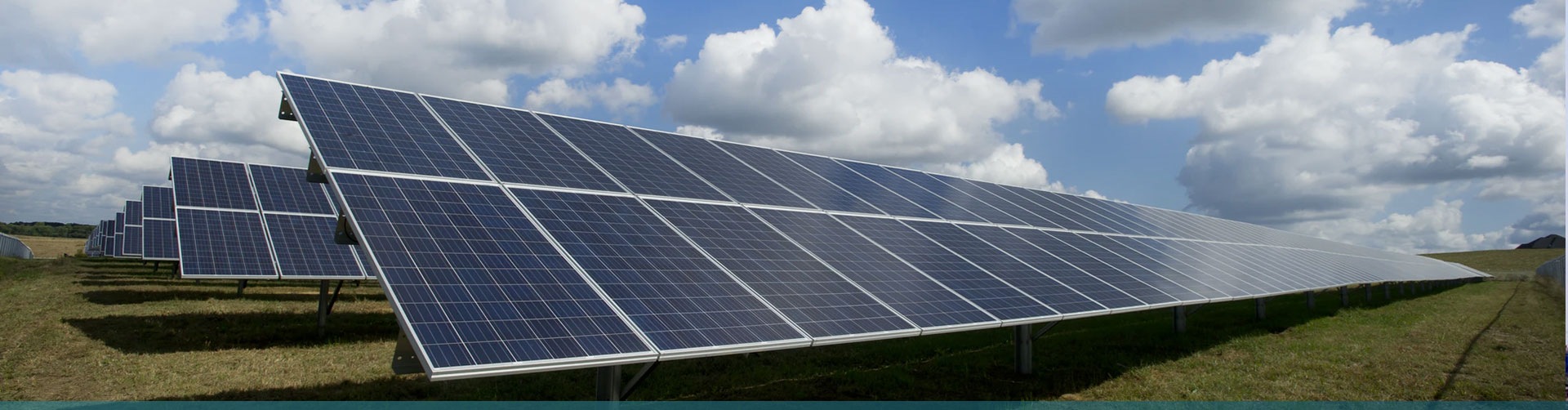
Driven by the global push for environmental protection and renewable energy, solar photovoltaic (PV) panels have become an important clean-energy solution and are being deployed more widely than ever. However, the cleaning of PV panels is often overlooked, even though their degree of cleanliness directly affects power generation efficiency and service life.

1. The Importance of Solar PV Panel Cleaning
During prolonged outdoor exposure, PV panels inevitably become contaminated with dust, bird droppings, leaves, and other debris. These contaminants cover the panel surface, reducing light transmittance and thereby impairing the photoelectric conversion efficiency. Studies have shown that accumulated soiling can significantly reduce PV output, sometimes by more than 30%. Therefore, regular cleaning to keep panels clean is critical for improving power generation and extending the overall system lifetime.

2. Current Status and Cost of Traditional Manual Cleaning
In many countries and regions, manual cleaning remains the predominant method for PV panels. This typically involves high-pressure water jets, detergents, and brushes to remove surface dirt. While this approach is relatively straightforward and low-cost upfront, it has several drawbacks.
2.1 Cleaning Frequency and Costs
The cleaning frequency depends largely on local climate, environmental pollution levels, and the scale of the PV plant. In arid or dusty areas, monthly cleaning may be required, while in wetter regions the interval can be extended. Taking the Chinese market as an example, manual cleaning prices generally range from RMB 20 to 50 per square metre, with the final cost depending on the complexity of the work and the materials used. For large installations, a single cleaning session can cost several thousand to tens of thousands of yuan, which represents a considerable expense for many small-scale PV owners.
2.2 Disadvantages of Manual Cleaning
Beyond cost, manual cleaning faces other challenges. It requires trained personnel with appropriate safety and technical qualifications. Moreover, working at height or in hot weather poses safety risks, and varying weather conditions can affect both the efficiency and the quality of the cleaning process.

3. Feasibility and Advantages of Robotic Cleaning
As technology advances, mechanised cleaning is emerging as a new trend in PV maintenance. The adoption of cleaning robots can effectively overcome many of the shortcomings of manual methods.
In the long run, cleaning robots can substantially reduce maintenance costs. For large utility-scale PV plants, for example, using robots reduces labour requirements and mitigates the risks associated with manual cleaning. At the same time, robots can operate on a daily basis, maximising power generation and thus offsetting the equipment investment.
Robotic cleaning also offers environmental benefits. Compared with traditional wet cleaning, most cleaning robots are designed for low water consumption and high efficiency, achieving good results while minimising water waste. In addition, some advanced models are equipped with panel monitoring systems that can inspect the operating status of the modules in real time, detecting potential issues early and enabling timely maintenance..

4. Multifit Electrical Keeps Pace with Future Trends in PV Panel Cleaning
As technology continues to evolve, the future PV cleaning market will gradually shift towards automation and intelligence. We can expect more innovative cleaning robots to enter the market, further improving cleaning efficiency. At the same time, these robots will be integrated with big data and the Internet of Things (IoT), enabling real-time data collection and management, optimising cleaning strategies, and reducing operational costs.
Multifit Electrical is closely following these trends and is committed to ongoing technological innovation and product upgrades. To date, the company has successfully developed a range of multifunctional solar cleaning brushes that provide tailored solutions for different installation tilts, frame types, and contaminant characteristics, balancing effective dirt removal with module protection. Simultaneously, Multifit Electrical is continuously upgrading its solar cleaning robots, incorporating intelligent path planning, adaptive pressure control, and low-water-consumption circulation technologies, gradually moving towards fully automatic, unmanned operation. Looking ahead, Multifit Electrical will further integrate AI algorithms and cloud-based management platforms to build an integrated smart O&M system that covers “cleaning – inspection – alerting – optimisation”. This will deliver more cost-effective and reliable cleaning solutions for customers, help PV plants maximise power generation revenue, and contribute solidly to the sustainable development of green energy.

Post time: Jul-17-2026