
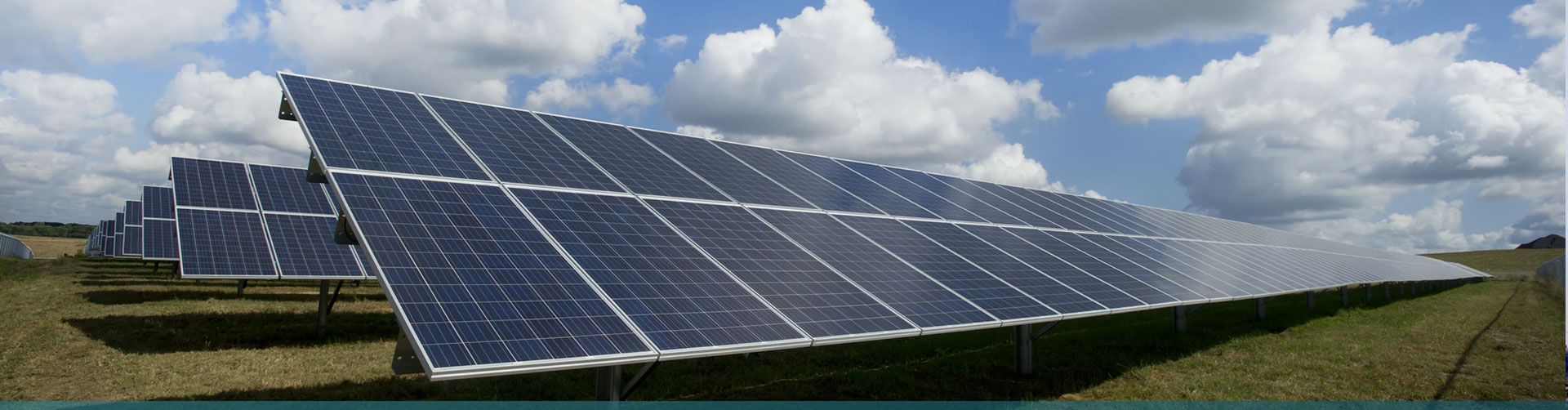
In late September 2026, a distributed solar news story from Huzhou, Zhejiang, signaled a turning point for the industry: local authorities used a “Solar Efficiency Code” digital tagging system to evaluate the operational efficiency of over 1,300 PV stations. After identifying underperforming sites through aerial imaging and soiling assessments, robotic cleaners were dispatched for targeted washing. Two robots completed a cleaning cycle in 3 hours, boosting generation efficiency by over 8%; year-to-date, combined robot cleaning and panel replacement have added 4.45 million kWh of generation and helped asset owners increase revenue by 1.85 million RMB.
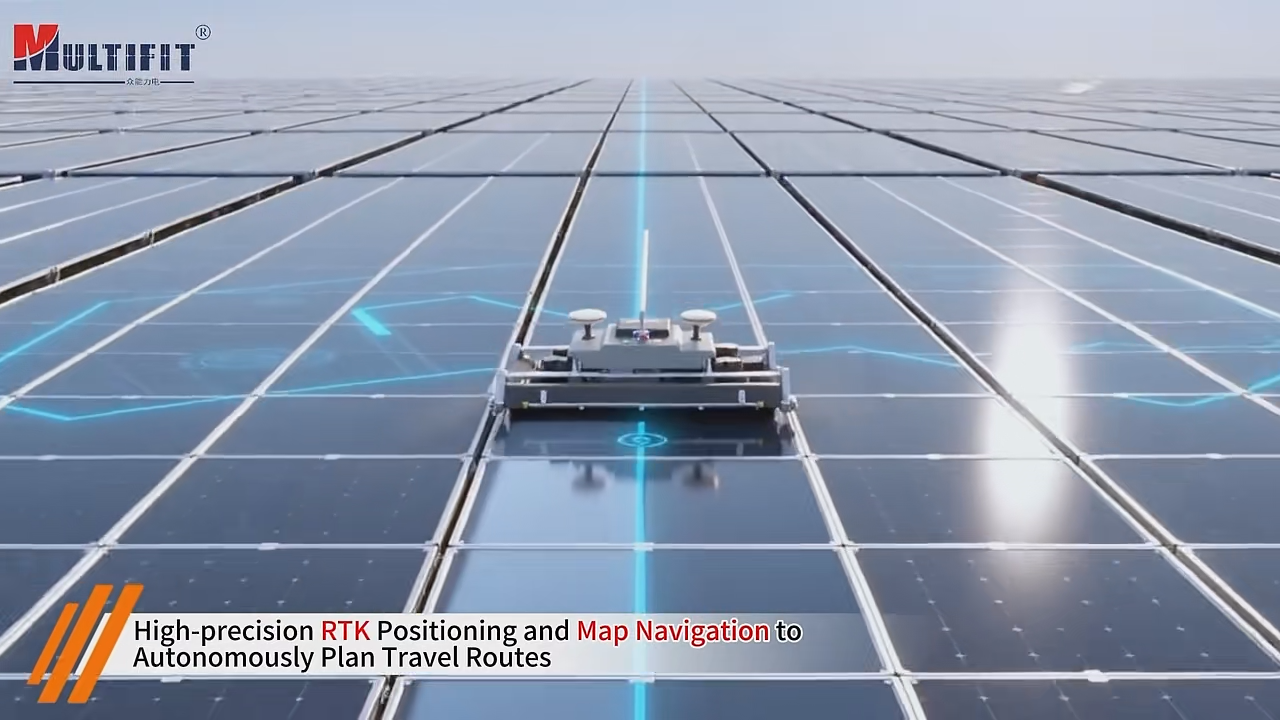
The significance of this case lies not in “how well the robots cleaned,” but in the changed sequence:
The old model was “clean by calendar schedule” → the new model is “run the numbers first, then clean if it pays off.”
With distributed PV installed capacity surpassing 580 million kW nationwide, the real pain points for plant owners are no longer just dirt — it is unclear site baselines, invisible soiling losses, and no verifiable way to prove that cleaning actually paid back. The Huzhou model links “siting → grid connection → consumption → efficiency assessment → cleaning/replacement → revenue recovery” into a closed loop. This means PV O&M is shifting from an “equipment transaction” to an “asset quality service.”
Three industry consensus points are emerging:
Soiling is not uniform: Different orientations, surrounding environments, and seasonal patterns produce completely different soiling curves. Fixed-schedule washing = wasted water + wasted money.
Cleaning must be auditable: Pre-cleaning efficiency, post-cleaning generation curves, incremental output, and water savings must all be documented and integrated into the plant owner’s green energy accounting.
Scenarios matter more than horsepower: Rooftops, BIPV carports, flexible supports at wastewater plants, fish-solar hybrids, desert/Gobi sites — no single robot model can cover every scenario.
Multifit: 17-Year Source Manufacturer Turns “Cleaning Hardware” into an “Execution Node for Digital O&M”
Beijing Multifit electrical Technology Co., Ltd — established 2009, National High-Tech Enterprise, Guangdong Provincial SRDI SME, Shantou Gazelle Enterprise, 60+ patents, CE/FCC/ISO certified, products deployed in 100+ countries — does not compete on “fastest sweep.” Instead, Multifit builds equipment that is dispatchable by systems, adaptable to real-world scenarios, and accountable with data:
-
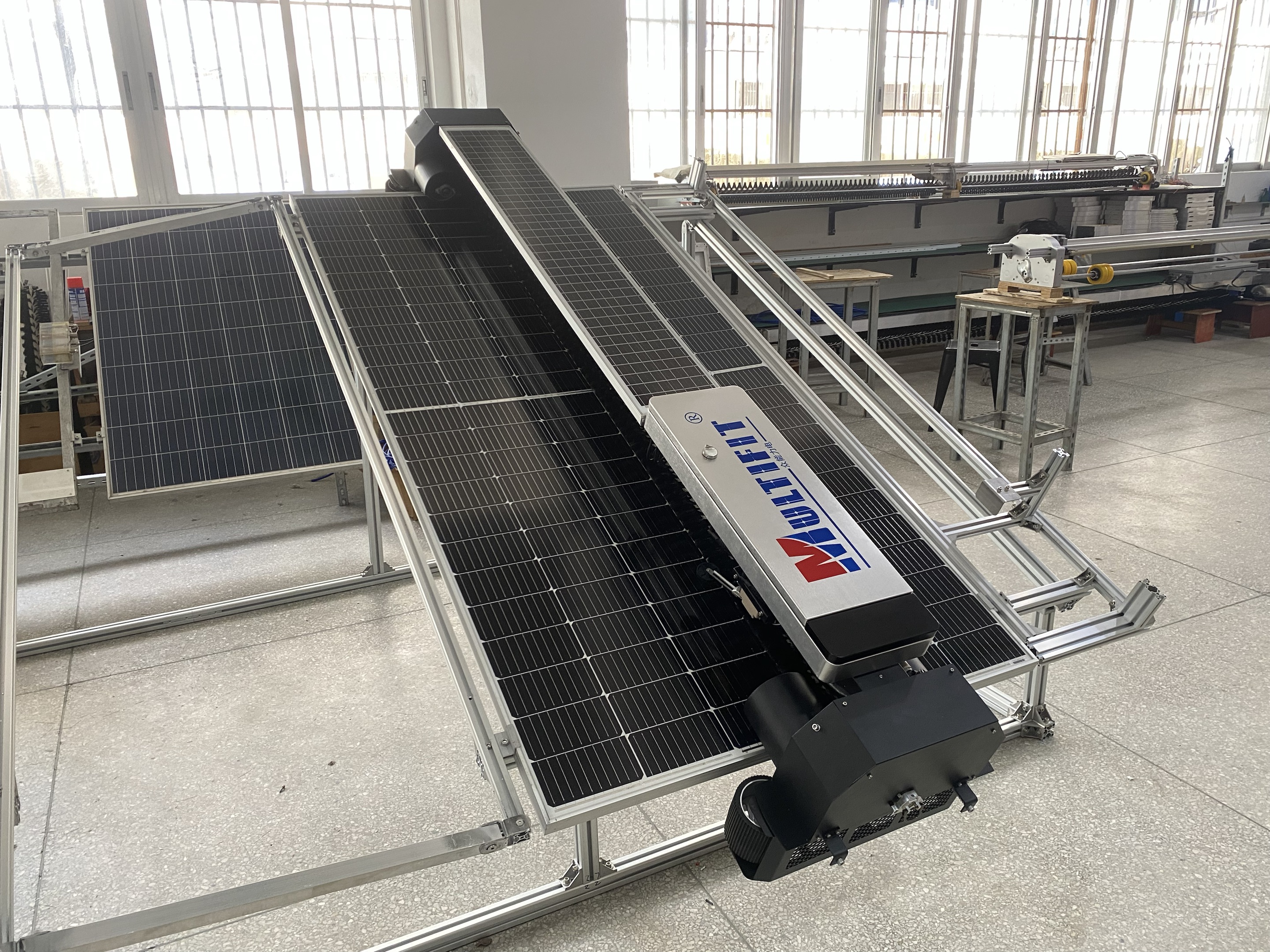
●MR-G3 Hanging-Type Waterless Robot: Self-powered, dry-brush cleaning, dust removal rate ≥99%. No water required, zero panel damage. Ideal for Middle East/Australia/desert regions with “no-pressure-washer” restrictions, and for domestic rooftops where frequent plant shutdowns for washing are impractical.
-
●MR-T1 AI Path-Following Robot: Cloud-based swarm scheduling, 50mm obstacle crossing, automatic posture correction. Receives dispatch orders from O&M platforms — “inefficient zone identified → robot dispatched → pre/post curves uploaded” — natively fitting the Huzhou-style “efficiency code + robot” closed loop.

-
●MULR Series Soft-Bristle Dual-Mode Brushes: Won’t scratch AR coatings. Covers the “last-mile” gaps — carports, BIPV, flexible supports at wastewater plants, tight corners in fish-solar hybrids — where automated machines can’t reach and manual labor is too risky.

-
●Flexible-Scenario Capability: Breakpoint resume, intelligent deviation correction, auto-recharge — fully self-developed on Multifit’s 17-year electrical engineering foundation, with zero reliance on third-party robot suppliers.
-
●Cloud Platform Traceability: Every cleaning session — zone, timestamp, dust removal rate, pre/post generation comparison — is recorded and auditable. This lets plant owners do exactly what the Huzhou case achieved: turn “cleaning” into a line item of “4.45 million kWh added generation” on the books, not just a vague claim that “the panels look brighter.”
While others market “how fast my machine sweeps,” Multifit asks: “Has your plant been diagnosed? Which rows are actually dirty? How much generation came back after cleaning? Can you produce the audit trail?” — This is the procurement language of 2026, as distributed PV shifts from “installed capacity” to “bankable yield.”
Industry Insight: From the second half of 2026, competitive advantage in distributed PV O&M = digital diagnostics × scenario-based execution × data auditability.
Post time: Oct-23-2026